Nigeria’s textile sector once ran more than 180 mills and employed over 350,000 workers. Today, around 25 mills remain active, supported by Central Bank revival funds and a renewed federal push to rebuild local production. This guide lists the textile manufacturers and fabric houses still operating in Nigeria, plus how to buy from them.
The State of Nigerian Textiles
Nigeria’s textile industry collapsed between the 1990s and 2010s under the weight of smuggled fabrics, power outages, and cheap Chinese imports. The Nigerian Textile, Garment and Tailoring Workers Union estimates that more than 80 mills shut down during that period.
In 2019, the Central Bank of Nigeria (CBN) launched the Cotton, Textile and Garment (CTG) Revival Fund, a N50 billion intervention administered by the Bank of Industry at 4.5% interest. The fund covers cotton ginning, spinning, weaving, and integrated garment factories. The CBN later expanded its target to N100 billion and reported over 620,000 direct and indirect jobs created across the value chain by 2020.
The Tinubu administration has continued the push. In May 2024, the federal government inaugurated the Funtua Inland Dry Port to ease cotton and fabric movement, and Katsina State has plans to convert Funtua Textile Mill into an Integrated Textile and Garment Park. Discussions around tightening textile import controls remain active in the National Assembly.
Top Textile Manufacturers in Nigeria
1. The Garment Factory
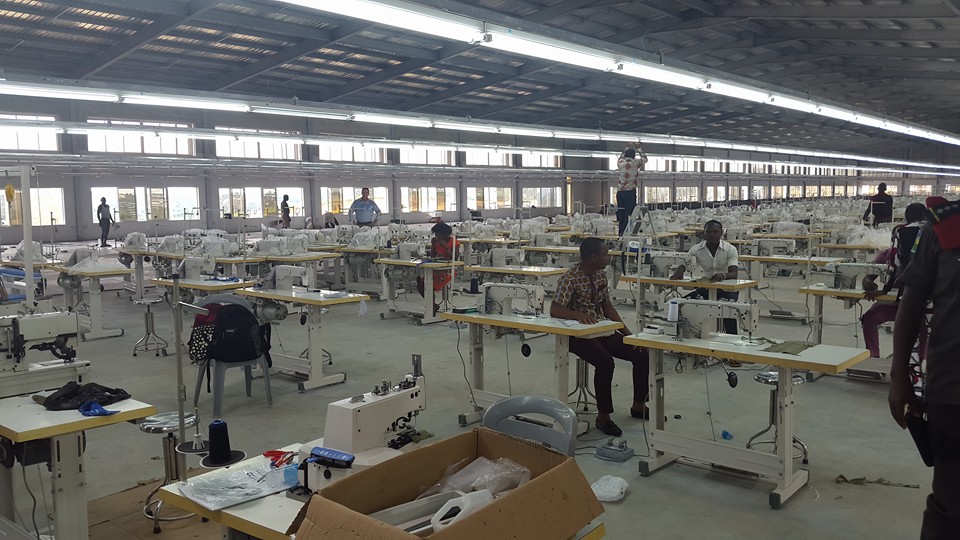
The Garment Factory in Abuja blends traditional African prints with modern cuts. The firm produces Ankara and Adire pieces and handles bulk orders for brands and uniforms.
Address: 33 Parakou Street, Municipal, Abuja 900288, FCT
Website: thegarmentfactory.net
2. T-Shirt Factory

T-Shirt Factory specializes in printed and embroidered t-shirts for events, organizations, and corporate brands. The Lekki workshop handles small runs through to bulk orders.
Address: AVM Complex, Lekki, beside Domino’s Pizza, Lagos
Website: tshirtfactory.ng
3. Haffar Industrial Company Limited
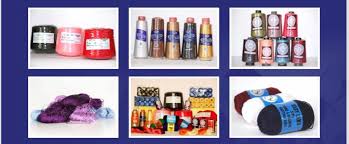
Founded in 1927, Haffar produces threads, yarn, and industrial fabrics. It supplies mattress makers, shoe factories, and other textile firms across Nigeria, with exports to Ghana and Kenya.
Address: 361 Agege Motor Road, Mushin, Lagos
Website: haffar.net
4. Femro 3 Nigeria Limited
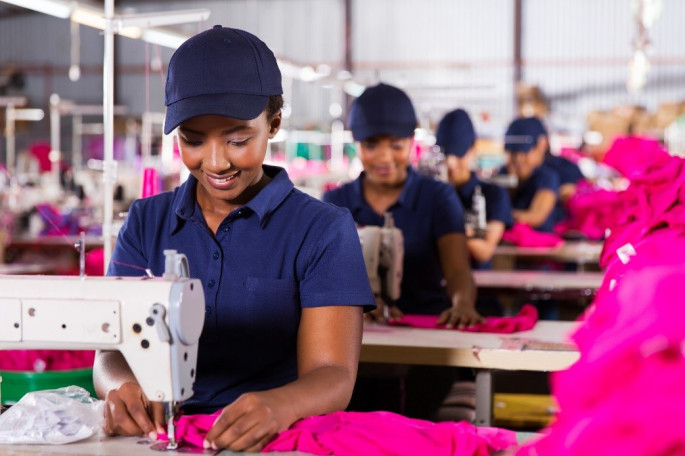
Established in 1985, Femro 3 runs an integrated operation covering knitting, fabric printing, and garment production. It has facilities in Lagos, Abuja, Kano, and Port Harcourt.
Address: 2 Ozoka Street, off Felix Egbamuno Street, Satellite Town, Lagos
Website: femro3.com
5. Reddi2Wear Nigeria Limited
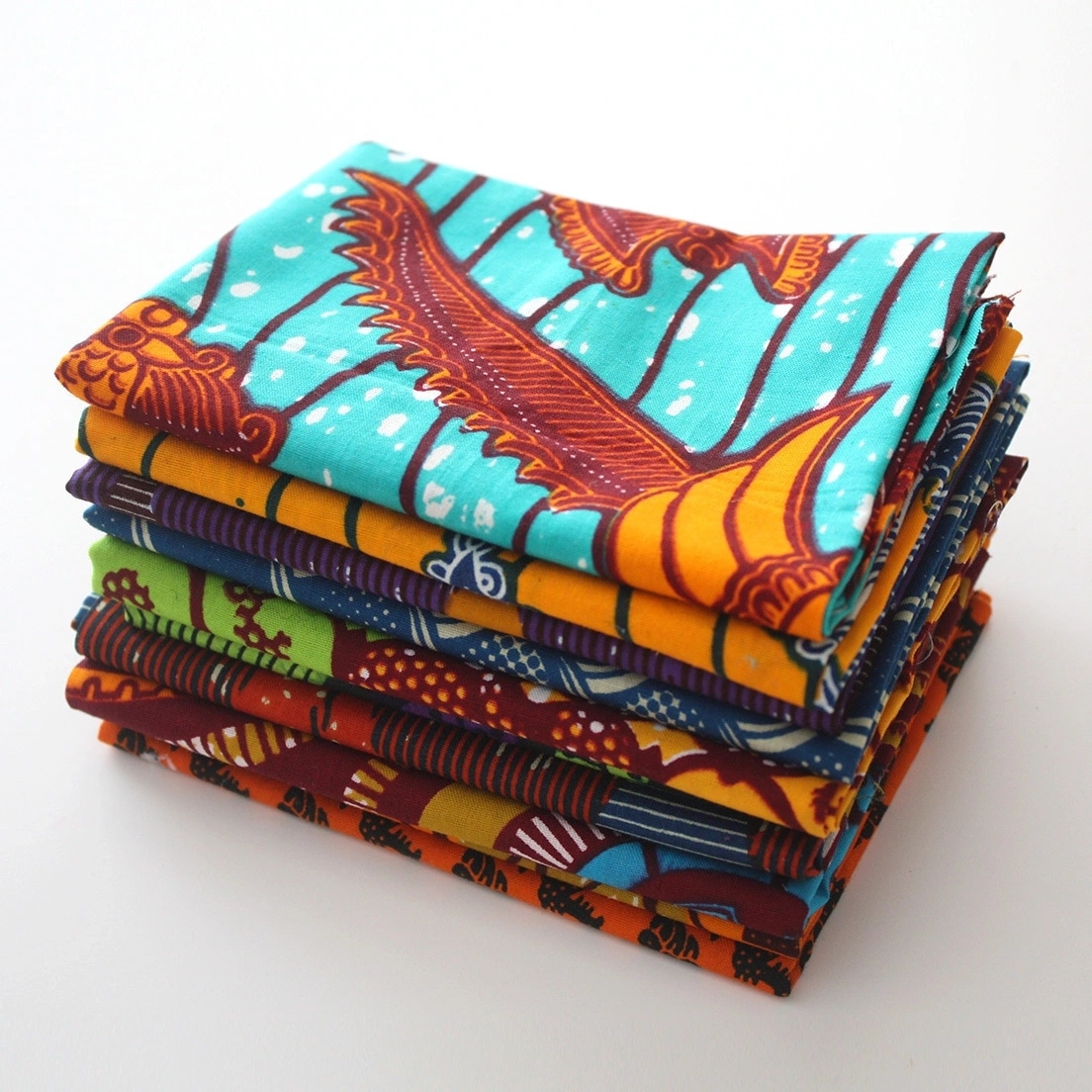
Reddi2Wear started in 2010 and supplies office wear, sport uniforms, and ready-to-wear garments. It uses American and Japanese embroidery and printing equipment.
Address: 10 Islamic Street, Ikotun, Lagos
6. Da Viva Fashion Limited
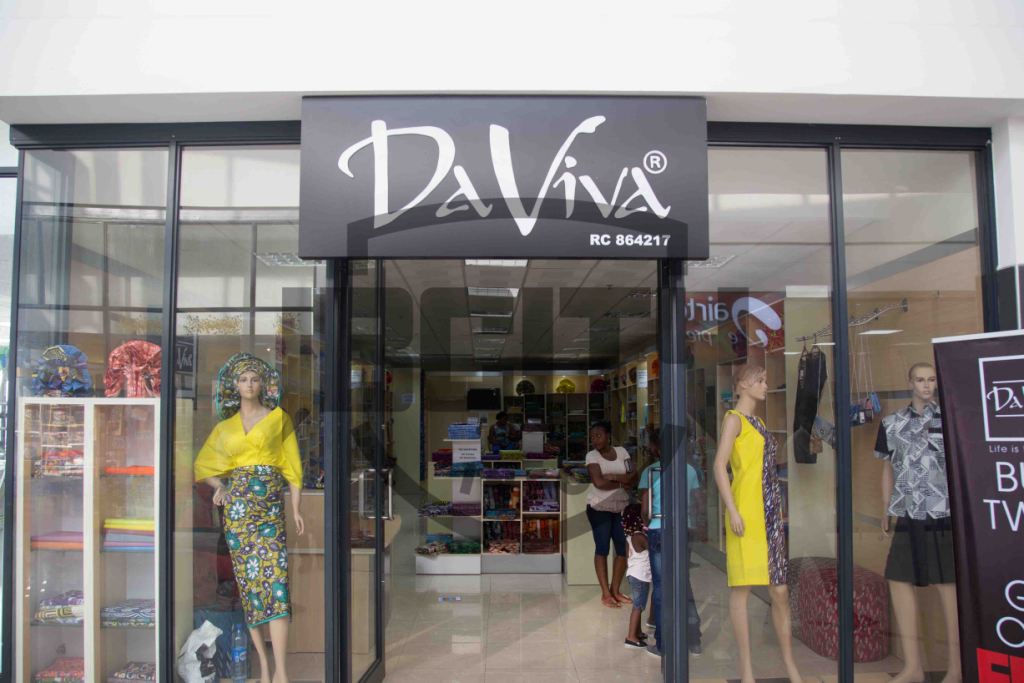
Da Viva is best known for its print fabric collections sold across West Africa. The brand also retails ready-made tops, dresses, and t-shirts through its branches.
Address: 126 Ogudu Road, Kosofe, Lagos
7. African Textiles Manufacturers Ltd (ATM)
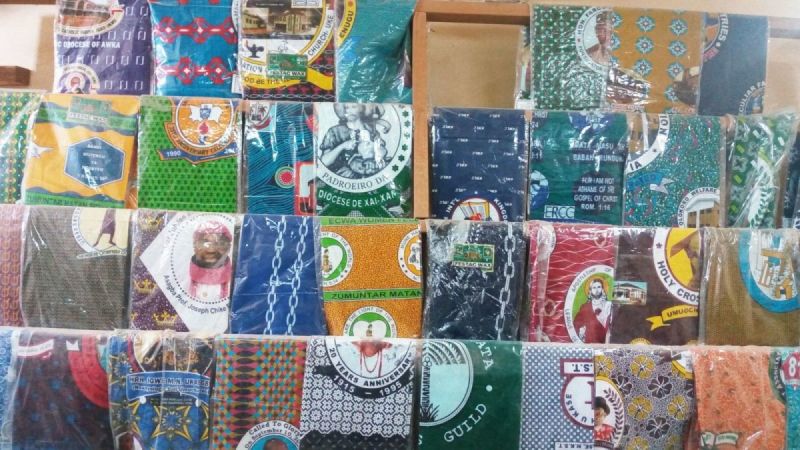
Founded in 1998 in Kano, ATM is one of the largest fully integrated textile mills still running in northern Nigeria. It handles spinning, weaving, dyeing, printing, and finishing in-house.
Address: Challawa Industrial Estate Road, Kano
8. Sunflag Group Nigeria Limited

Sunflag, established in 1961, is one of West Africa’s largest home and apparel textile groups. The Ikorodu plant runs a full chain from ginning to finishing, producing yarn, towels, bedsheets, school uniforms, and Ankara fabric.
Address: Plot 333, LSDPC, Odogunyan, Ikorodu, Lagos
Phone: +234 701 348 7482
Website: sunflag.ng
9. Dangote General Textile

Beyond cement, salt, and sugar, the Dangote Group also runs a textile arm. Dangote General Textile produces fabric and supplies the Lagos market.
Address: 3 Oba Akran Avenue, Ikeja, Lagos
10. United Nigerian Textile Limited (UNTL)

UNTL produces African Prints, Java Prints, Real Wax, and polyester-cotton fabrics. Its brands include Classic Wax, Diamond Wax, Rainbow Wax, UNTL, and Nichemwax.
11. Funtua Textile Mill
Funtua Textile Mill in Katsina State has been spinning yarn and weaving fabric since 1978. It is one of the few northern mills that kept production running during the wider sector decline. State and federal authorities are working to expand it into an Integrated Textile and Garment Park, paired with the new Funtua Inland Dry Port commissioned in 2024.
Address: Funtua, Katsina State
12. Vlisco Nigeria
Vlisco is the Dutch wax house behind the Wax Hollandais, Super-Wax, and Grand Super-Wax fabrics seen at every Nigerian wedding. The company has designed and printed in Helmond, Netherlands, since 1846 and operates a flagship retail boutique at Ikeja City Mall, Lagos, alongside authorized distributors nationwide.
Website: vlisco.com
13. Aswani Textile Industries
Aswani Textile, set up in 1973, is a Lagos-based mill that has produced printed fabrics, polyester blends, and uniform cloth for the local market. Its Isolo plant is also home to the long-running Aswani Market, one of Lagos’s biggest fabric trading hubs.
Address: Aswani Industrial Estate, Isolo, Lagos
14. Nichemtex Industries Limited
Nichemtex, headquartered in Ikorodu, Lagos, manufactures yarn, woven fabric, and printed cloth. The company supplies wax prints and uniform fabric and has operated as one of the surviving mills through the CBN textile fund window.
Address: Ikorodu Industrial Estate, Lagos
15. Five Star Industries
Five Star Industries operates in the lace, embroidery, and Ankara segment. It supplies fabric to Lagos and Onitsha wholesalers and runs branded retail packs for the wedding and aso-ebi market.
How to Buy from Textile Companies in Nigeria
1. Confirm the Minimum Order Quantity
Most mills set MOQs by yardage or piece count. Bulk wax printers like Sunflag or UNTL often start at 100 yards per design. Garment factories may quote per dozen pieces. Ask before you commit.
2. Send Clear Fabric Specifications
Spell out fiber content (100% cotton, polycotton, viscose), weight in GSM, weave type, color codes (Pantone if possible), and finishing. A vague brief leads to a wrong batch and lost deposits.
3. Agree on Payment Terms in Writing
Standard practice is 50% deposit, 50% on delivery. Ask for the company’s bank details on letterhead, not over WhatsApp. For first-time orders, use a written pro-forma invoice.
4. Plan for Delivery and Logistics
Lagos-to-Lagos delivery can be same week. Lagos-to-Kano or Port Harcourt usually adds 5 to 10 days. Ask whether the price is ex-factory or includes haulage, and who handles waybill claims if rolls arrive damaged.
5. Test Samples Before the Full Run
Always pay for a sample yard first. Wash it. Check shrinkage, color bleed, and print sharpness. Approving a strike-off in writing before the bulk run protects you when the final batch arrives.
Factors to Consider When Choosing a Textile Company in Nigeria
Location
The mill’s location affects your transport bill and turnaround time. Picking a producer in or near your state cuts haulage costs and makes site visits practical when you need to inspect production.
Reputation
Check the company’s track record on print quality, return policy, and how it handles defects. Ask other buyers in the same market or check reviews before you place a large order.
Pricing
Cheapest is rarely best. Compare two or three quotes that match the same spec sheet, including MOQ, payment terms, and delivery. A low headline price with hidden surcharges costs more in the end.
Frequently Asked Questions
Who is the largest textile producer in Nigeria?
By integrated capacity, Sunflag Group and United Nigerian Textile Limited (UNTL) rank as the largest active producers. Sunflag covers ginning to finishing on one site in Ikorodu; UNTL is the dominant local wax-print brand.
Can I buy fabric in bulk directly from these mills?
Yes. Most mills sell direct, usually with a minimum order quantity of 50 to 100 yards per design. Smaller buyers normally go through authorized distributors or wholesale markets.
Where does Ankara wax print really come from?
Ankara is a Dutch wax-print style first developed in the Netherlands in the 19th century, modeled on Indonesian batik and sold into West Africa. Today both Dutch makers like Vlisco and Nigerian mills like UNTL produce wax prints branded for the Nigerian market.
Why did so many Nigerian textile mills close?
The collapse came from smuggled imports, unreliable power, weak access to finance, and dumping of cheap fabric from Asia. The Nigerian Textile, Garment and Tailoring Workers Union estimates more than 80 mills shut between the 1990s and 2010s.
Is Vlisco better than Nigerian-made wax?
Vlisco fabric is denser, holds dye better, and costs more per yard. Local wax from UNTL or Sunflag is cheaper and widely accepted for aso-ebi and daily wear. Choose based on the event and the budget.
Where can I buy textile products at retail vs wholesale?
For retail, visit branded stores like Da Viva, Vlisco Ikeja City Mall, or Sunflag outlets. For wholesale, head to Balogun Market and Aswani Market in Lagos, Onitsha Main Market, or Kantin Kwari in Kano.
Can I get custom branding or private-label fabric?
Yes. Mills like UNTL, Sunflag, and Femro 3 accept custom print runs for organizations, churches, schools, and aso-ebi groups. You provide artwork and color codes; they handle screen prep and production.
Is it cheaper to import textiles or buy locally?
Locally made wax is usually cheaper after duties, port charges, and clearing fees on imports. Imported premium wax (Vlisco) carries a price premium tied to brand and Dutch-side production costs. For uniform-grade fabric, local mills almost always win on price.