Nigeria has two UNESCO World Heritage Sites — Sukur Cultural Landscape (Adamawa) and Osun-Osogbo Sacred Grove (Osun) — plus dozens of beaches, waterfalls, mountain resorts, and national parks worth a trip. The biggest crowd-pullers are Obudu Mountain Resort, Yankari National Park, Idanre Hills, Olumo Rock, and Erin-Ijesha Waterfall.
This guide covers the best tourist attractions in Nigeria, what each one offers, where it is, and the best time to visit.
What is a tourist attraction?
A tourist attraction is a place people travel to see for its natural beauty, cultural value, history, or entertainment — beaches, mountains, waterfalls, national parks, ancient sites, festivals. Nigeria, Africa’s largest economy by population, has all of those.
Obudu Mountain Resort

Obudu Mountain Resort (formerly Obudu Cattle Ranch) sits on the Obudu Plateau in Cross River State. McCaughley, a Scottish rancher, opened the original ranch in 1951. The plateau’s cool climate, ridgeline views, and walking trails make it the most photographed mountain resort in Nigeria. A cable-car ride from the base spares you the 11-bend mountain road.
Best time to visit: October to February, when the air is dry and the sky is clear.
Location: Obudu, Cross River State.
Idanre Hills (Oke Idanre)
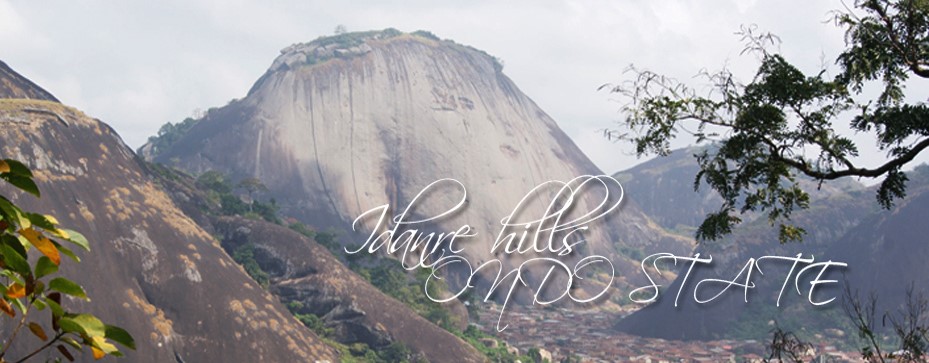
Idanre Hills are a cluster of 800+ steps leading up to a unique highland community with cultural sites — Owa’s Palace, the Old Court, the Belfry, the Agbogun footprint, the thunder water (Omi Apaara), and burial grounds. Idanre Hills is on UNESCO’s World Heritage Tentative List.
Location: Oke-Idanre, Ondo State.
Coconut Beach, Badagry
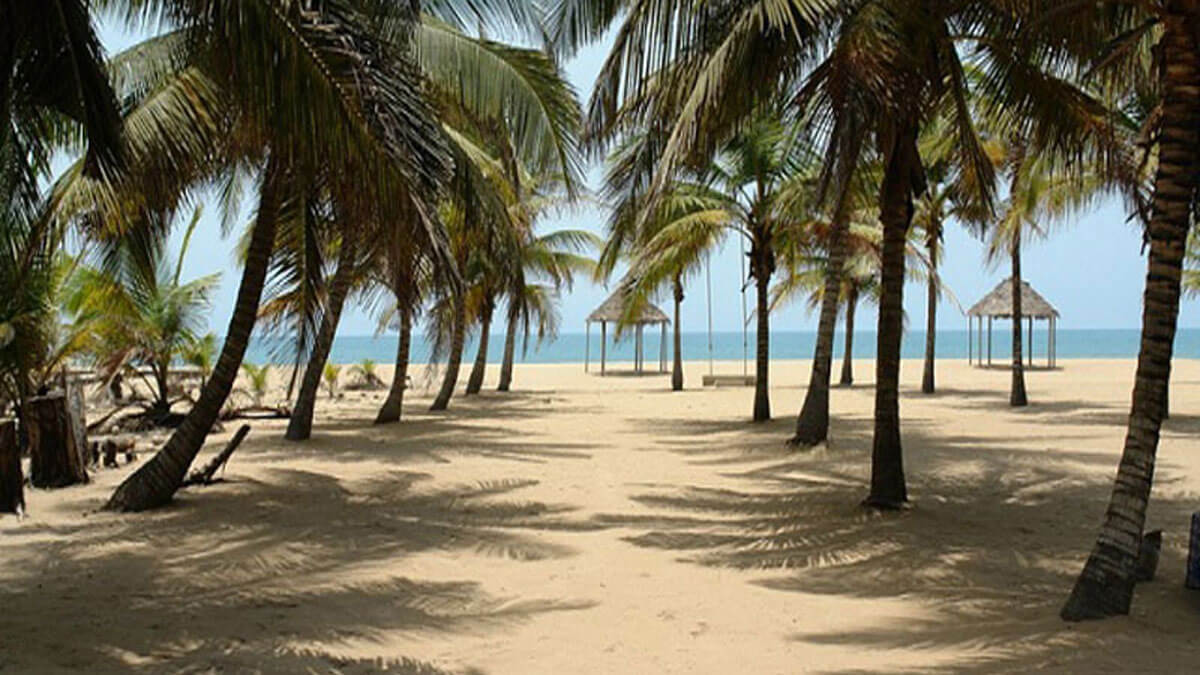
Coconut Beach (also called Badagry Beach) is fringed by tall coconut palms and faces the Atlantic. It’s quieter than Lagos’s main beaches, with gentle waves and easy access from Badagry’s slave-trade museums.
Location: Badagry, Lagos State.
Kainji Lake National Park
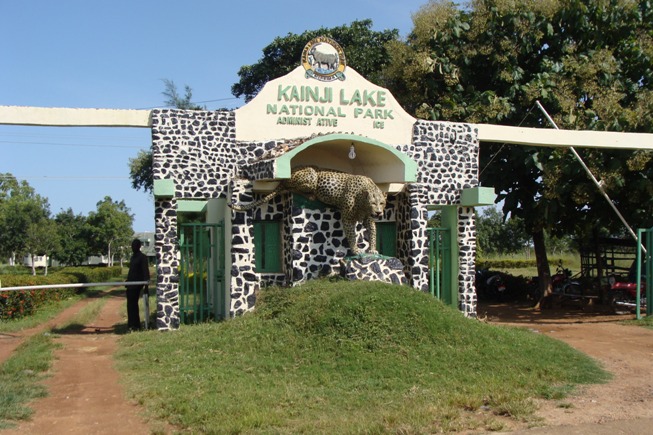
Kainji Lake National Park, established in 1978, has three sections — Borgu Game Reserve, Zugurma Game Reserve, and Kainji Lake itself. Game drives turn up baboons, antelopes, and hippos. The lake is closed to fishing.
Location: Niger State.
Erin-Ijesha Waterfall

Erin-Ijesha Waterfall (also called Olumirin) drops in seven steps. Climbing all seven is a serious half-day hike rewarded with views back over the forest. Locals sell drinks and snacks at the base.
Location: Erin-Ijesha, Osun State.
Ikogosi Warm Springs

Ikogosi is famous for a warm spring and a cold spring that meet at a single confluence — and keep their separate temperatures even after they touch. The resort around it has chalets, a swimming pool fed by the warm spring, and a conference hall.
Location: Ikogosi, Ekiti State.
Olumo Rock
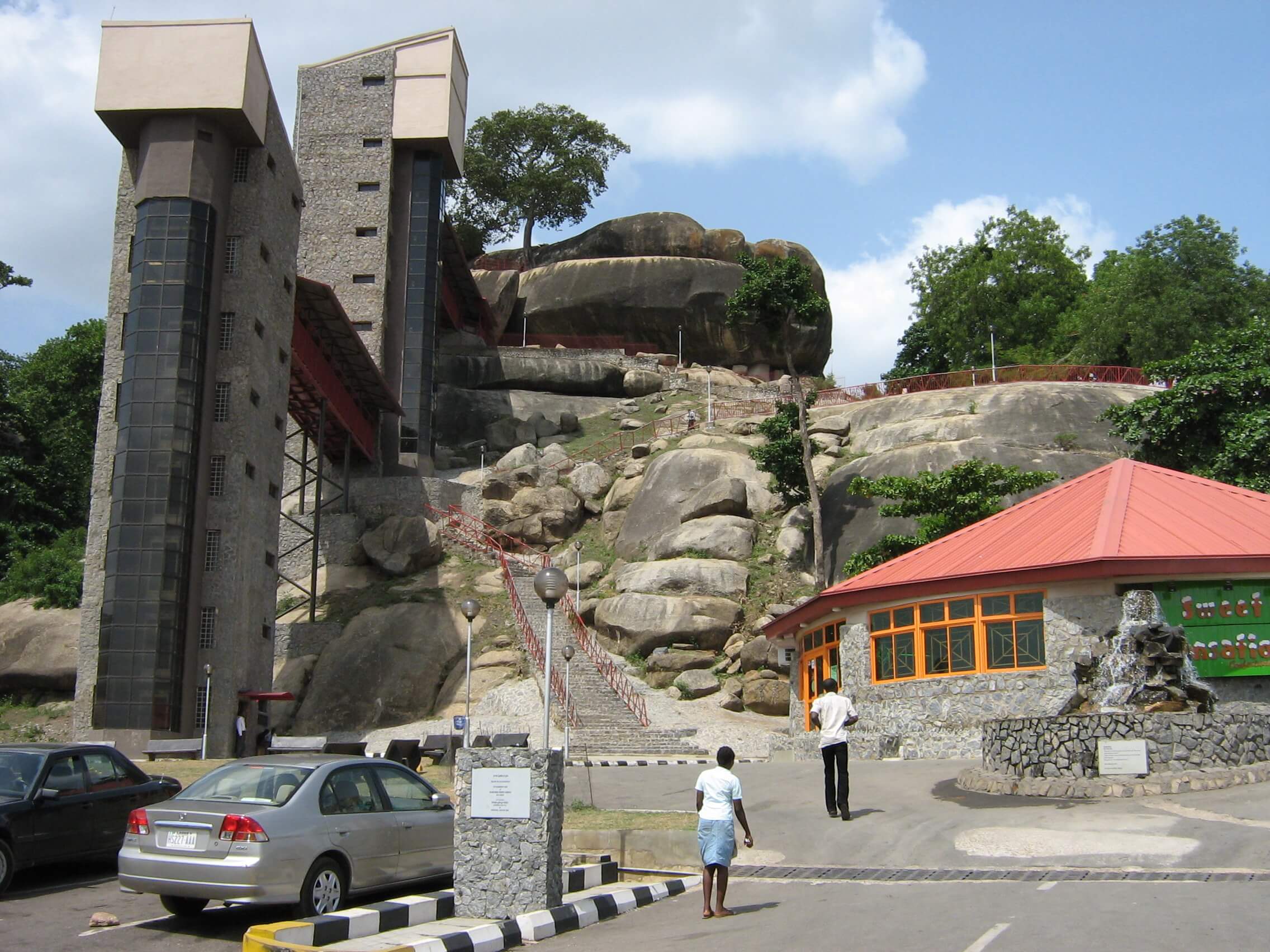
Olumo Rock sits in the heart of Abeokuta. The Egba people used it as a fortress in the early 19th century. A staircase and a lift take you to the summit for a panoramic view of Abeokuta. Hotels nearby include Gateway Hotel and Olumo Guest House.
Location: Abeokuta, Ogun State.
Yankari National Park

Yankari, in Bauchi State, covers about 2,244 sq km — Nigeria’s most-visited wildlife park. It’s home to elephants, buffalo, baboons, antelopes, and over 350 bird species. The Wikki Warm Spring inside the park is open for swimming 24 hours.
Wikki Camp, 42 km from the gate, has 110 chalets, a restaurant, a bar, and a conference hall. Daily safari drives leave the camp twice a day. Yankari started as a game reserve in 1956 and was upgraded to a national park in 1991.
Location: Bauchi State.
Ogbunike Caves


Ogbunike Caves are a network of tunnels in a rainforest valley in Anambra State. 317 steps lead down to the entrance. The caves carry deep cultural and spiritual meaning for the local community and are listed on UNESCO’s World Heritage Tentative List.
Location: Ogbunike, Anambra State.
Ibeno Beach

Ibeno Beach in Eket, Akwa Ibom State, is one of the longest sand beaches in Africa — about 30 km of unbroken shoreline. The water can have strong undertows, so swim only where lifeguards mark the safe zone. It’s also a working fishing community, so you’ll see local boats coming in.
Location: Eket, Akwa Ibom State.
Awhum Waterfall

Awhum Waterfall is in Amaugwe village, Udi LGA, Enugu State. The fall drops over a granite cliff into a pool that locals consider sacred. A monastery sits nearby; pilgrims visit hoping for healing.
Location: Amaugwe village, Enugu State.
Arochukwu Long Juju Slave Route

The Long Juju of Arochukwu is the path captives walked before being sold into the Atlantic slave trade. The forest route, the cave shrine, and the surviving carvings tell that history first-hand. A guided tour from Arochukwu town takes about half a day.
Location: Arochukwu, Abia State.
Gashaka-Gumti National Park

Gashaka-Gumti is Nigeria’s largest national park, sitting on the Taraba/Adamawa boundary. Inside the park is Chappal Waddi (2,419 m), Nigeria’s tallest mountain. Wildlife includes chimpanzees, elephants, buffalo, and over 500 bird species.
Location: Taraba State.
Sukur Cultural Landscape


Sukur, in the Mandara Mountains near the Cameroon border, was inscribed in 1999 as Nigeria’s first UNESCO World Heritage Site. The Hidi (chief)’s palace, the terraced fields, the iron-working ruins, and the stone walls have stood for nearly four centuries under the Dur dynasty. Vehicles are banned beyond the foot of the hill — you walk in.
Location: Sukur, Adamawa State.
Cross River National Park


Cross River National Park protects two large blocks of tropical rainforest. It’s home to the critically endangered Cross River gorilla and the Nigeria-Cameroon chimpanzee. Kwa Falls and Agbokim Falls are inside the park. Eco-tour camps are rough but the wildlife is worth it.
Location: Cross River State.
Old Oyo National Park


Old Oyo National Park combines wildlife (baboons, antelopes, monkeys) with the ruins of the old Oyo Empire — Oyo-Ile, the historic capital before the kingdom moved to present-day Oyo. Facilities are basic; bring everything you need.
Location: Oyo State.
Calabar Carnival

The Calabar Carnival, held every December, is Nigeria’s largest street festival — sometimes called Africa’s biggest carnival. Bands compete on costume, choreography, and music for cash prizes. The build-up runs the whole month and the main parade fills Murtala Muhammed Highway.
Location: Calabar, Cross River State.
Ikom Monoliths

The Ikom Monoliths are around 300 carved standing stones spread across Cross River State. The carvings, which include human-like faces and geometric patterns, are estimated to date from around the 16th century CE. The site is on UNESCO’s tentative list.
Location: Ikom, Cross River State.
FAQs
How many UNESCO World Heritage Sites does Nigeria have?
Two — Sukur Cultural Landscape (inscribed 1999) and Osun-Osogbo Sacred Grove (inscribed 2005). Several other sites are on the tentative list, including Idanre Hills, Ogbunike Caves, and the Ikom Monoliths.
What’s the best time to visit Nigerian tourist attractions?
The dry season — November to February — has the lightest rain and the clearest skies, especially for mountain resorts and parks.
Which is the largest national park in Nigeria?
Gashaka-Gumti, in Taraba State, is the largest by area. Yankari, in Bauchi, is the most-visited.
Is Obudu Mountain Resort still open?
Yes. The resort runs all year. The cable car operates depending on weather, with reduced service during heavy rain.
Read also:
Obudu Mountain Resort: prices, when to visit, and things to do
Things to do on Mambilla Plateau
Leave a Reply