Nigeria drinks more variety than any West African neighbour. The country’s most popular beverages split into five buckets: traditional drinks (Zobo, Kunu, Palm Wine, Fura da Nono, Burukutu, Pito), commercial soft drinks (Coca-Cola, Pepsi, Bigi, Fanta, Sprite), malt drinks (Maltina, Malta Guinness, Amstel Malta), beers and spirits (Star, Gulder, Heineken, Legend, ogogoro), and wellness drinks (smoothies, herbal teas, Chapman). Below: the 20 you’ll see most often.

What counts as a beverage?
A beverage is any liquid intended for human consumption (Wikipedia). Beverages split into alcoholic (beer, wine, spirits) and non-alcoholic (water, milk, juice, soft drinks, tea, coffee). Both groups appear on every Nigerian shelf, supermarket fridge and street kiosk.
Which traditional beverages are most popular in Nigeria?
1. Zobo (Hibiscus Tea)

Zobo is Nigeria’s most popular traditional drink. Brewed from dried hibiscus (roselle) petals, it’s tart, deep red, and credited with helping digestion and lowering blood pressure. Pineapple, ginger and clove versions sell in supermarket fridges in bottled PET, and street vendors sell it chilled in sachets for ₦100–₦200.
2. Kunu

Kunu (kununzaki) is made from millet, sorghum or maize and seasoned with ginger and other spices. It’s high in carbs, fibre, protein and probiotics, and is often used as a weaning drink for infants. Common varieties:
- Kunu tsamiya — tamarind
- Kunun gyeda — thin groundnut gruel
- Kunu aya — tiger nuts, coconut, dates and ginger
3. Palm wine

Palm wine is tapped from palm trees and ferments naturally. It comes sweet (fresh) or sour (older). Pasteurised, bottled palm wine now sits next to beer in some Lagos supermarkets. Distill fermented palm wine and you get ogogoro, the local gin used in social and religious ceremonies.
4. Fura da nono

A northern blend of fermented cow milk (nono) and millet dough balls (fura). High in protein and probiotics. Popular with Fulani and Hausa communities; bottled, ready-to-drink versions now sell in urban supermarkets.
5. Burukutu and pito
Two fermented sorghum/millet beers from the north and middle belt. Burukutu is heavier and earthier; pito is lighter and lower in alcohol. Both deliver probiotics and antioxidants and feature heavily in community gatherings.
Which commercial soft drinks dominate Nigeria?
6. Carbonated soft drinks (minerals)
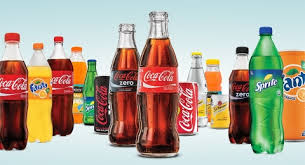
Coca-Cola, Pepsi and Bigi lead Nigeria’s soft drink market. The Coca-Cola System runs eight plants through Nigerian Bottling Company (NBC) and announced a fresh US$1 billion investment in Nigeria in early 2026. The Coca-Cola line includes Coke, Coke Zero, Fanta, Sprite, Schweppes, Eva water and Five Alive. Newer additions: Monster and Predator Gold energy drinks.
7. Bigi (Rite Foods)
Bigi, launched by Rite Foods in 2016, has eaten into Coca-Cola’s market share by offering more volume per naira. The line now spans 13 flavours across 35 cl and 60 cl bottles, including Bigi Cola, Bigi Cola Zero, Bigi Apple, Bigi Orange, Bigi Ginger Ale, Bigi Tamarind and Bigi Chapman.
8. Pepsi, Fanta, Sprite and 7Up
Pepsi and 7Up (Seven-Up Bottling Company) and Fanta/Sprite (NBC) anchor the carbonated category. Sugar-free variants and natural-flavour drinks are growing fastest among urban consumers.
9. Malt drinks

Non-alcoholic malt drinks are a Nigerian staple. Maltina (Nigerian Breweries, since 1976), Amstel Malta (1994), Malta Guinness and Beta Malt lead the segment. Sugar-free and vitamin-fortified versions are growing. Manufacturers soak malted barley, then bottle without full brewing — so there’s no alcohol.
10. Energy drinks

The energy drink shelf in Nigeria runs deep: Red Bull, Power Horse, Monster, Predator Gold, Lucozade Boost, Fearless and Bullet. Cans cost ₦500–₦1,500 depending on brand and size. Cleaner-label drinks using green tea or guarana caffeine are growing among gym-goers and students.
11. Tea

Tea bags (Lipton, Top Tea) sit in nearly every Nigerian household. Most drink it hot at breakfast, sweetened, often with powdered or evaporated milk (Peak, Cowbell, Three Crowns).
Read: Nigeria Deposit Insurance Corporation Recruitment and How to Apply
12. Coffee

Coffee in Nigeria is mostly instant (Nescafé, sachets), but specialty cafes in Lagos, Abuja and Port Harcourt now roast Nigerian-grown beans (mostly from Mambilla, Taraba State). Most home drinkers add sugar and milk; café orders skew Americano, latte and cappuccino.
Which alcoholic beverages do Nigerians drink most?
13. Beer
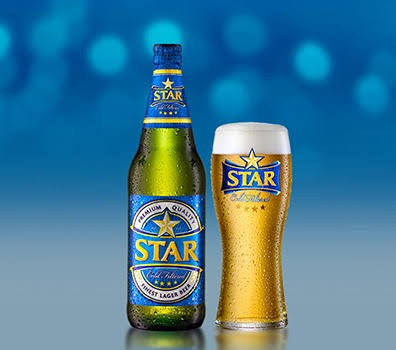
Beer is Nigeria’s largest alcoholic category. Nigerian Breweries (a Heineken Group member) sold ₦1.467 trillion in 2025 — up 35% on 2024 — across a 19-brand portfolio that includes Heineken, Star (since 1949), Gulder (1970), Legend Extra Stout (1992), Amstel Malta, Fayrouz, Maltina, Life, Desperados and Goldberg. International Breweries sells Trophy, Hero and Budweiser. Craft and low-alcohol beers are growing in Lagos and Abuja.
14. Local liquors (ogogoro, Alomo Bitters)
Ogogoro (local gin) and herbal bitters such as Alomo, Action Bitters and Origin Bitters appear at most parties and many bars. Regulated production by Intercontinental Distillers and others has made bottled bitters mainstream.
15. Wine and spirits

Imported wines (mostly South African, Italian and Chilean) and spirits dominate hospitality. Locally produced fruit wines from pineapple, hibiscus and zobo are growing. Wine production runs five steps:
- Harvesting — grapes picked at sugar peak.
- Crushing — fruit pressed to release juice.
- Fermentation — yeast turns sugar into alcohol.
- Packaging — wine clarified and prepared for sale.
- Bottling — sealed and labelled for distribution.
16. Champagne

Champagne — sparkling wine from the Champagne region of France — is a status drink in Nigerian nightlife. A bottle of Moët, Veuve Clicquot or Dom Pérignon runs from ₦60,000 to over ₦500,000 in Lagos clubs, depending on label and venue.
Read: Dollar to Naira Exchange Rate in Black Market
17. Cocktails and ready-to-drink mixes
Pre-mixed cocktails and flavoured alcoholic drinks (Smirnoff Ice, Savanna, locally-mixed RTDs) are growing among urban under-35s who want lower-ABV options.
Which wellness drinks are trending in Nigeria?
18. Smoothies and fresh juices

Smoothies blend fruit, vegetables and a liquid base (milk, yogurt, juice). Cold-pressed juice brands (So Fresh, Squeezed Naturals) and fresh juice bars in Lagos and Abuja have grown fast since 2020. Major chains now stock zero-preservative bottled juices.
19. Herbal and detox teas

Moringa, ginger, turmeric and lemongrass teas are gaining ground for their anti-inflammatory and immune-boosting reputation. Local brands now bag and box them for supermarket shelves.
20. Dairy and plant-based milk
Yogurt and flavoured dairy (Hollandia, Peak, FarmFresh) sell heavily. Plant-based milk — soy, almond, coconut — is on the rise among lactose-intolerant and vegan buyers, though still a premium category.
Bonus: Chapman

Chapman is the Nigerian mocktail: Fanta, Sprite, lemon, cucumber, grenadine and Angostura bitters, served over ice with cucumber slices on top. Bars price it from ₦1,000–₦3,000 a glass. Add gin or vodka for the alcoholic version.
What imported and international beverages sell in Nigeria?
International brands hold a strong urban niche. Specialty coffee (Starbucks-style chains), imported teas (Twinings, Whittard), flavoured mineral waters (San Pellegrino, Perrier) and craft sodas show up in Lekki, Victoria Island, Wuse and GRA supermarkets. Nigerian coffee culture is expanding fastest — more cafés serve locally roasted single-origin Mambilla beans every year.
Frequently asked questions
What is the most popular drink in Nigeria?
Water is the most consumed beverage. Among branded drinks, Coca-Cola, Bigi and malt drinks (Maltina, Malta Guinness) lead by volume. Zobo is the most popular traditional drink.
What is the national drink of Nigeria?
Nigeria has no official national drink. Palm wine has the strongest cultural claim — it’s poured at marriages, funerals and chieftaincy ceremonies across Igbo, Yoruba and Ijaw country.
Is Maltina alcoholic?
No. Maltina, Amstel Malta and Malta Guinness use malted barley but skip the full fermentation step, so they contain no alcohol.
What is the difference between Bigi and Coca-Cola?
Bigi (Rite Foods) usually offers more volume per naira and has a wider local flavour range (Tamarind, Chapman). Coca-Cola has stronger global brand pull and wider distribution. Both lead the market and battle for fridge space.
What’s a good non-alcoholic Nigerian party drink?
Chapman, zobo, kunu and Chivita-style fruit juice cover most non-alcoholic preferences at Nigerian parties.
Recommended:
Top Profitable Businesses to Start With 500K or Less in Nigeria
Prices of Food in Nigeria — Latest Update
Top 20 Popular Restaurants that Accept PayPal