Circle K is not the cheapest stop on the corner — but the gap is mostly inside the store, not at the pump. Here is what actually drives the price tag, and where Circle K is closer to a grocery deal than you might think.
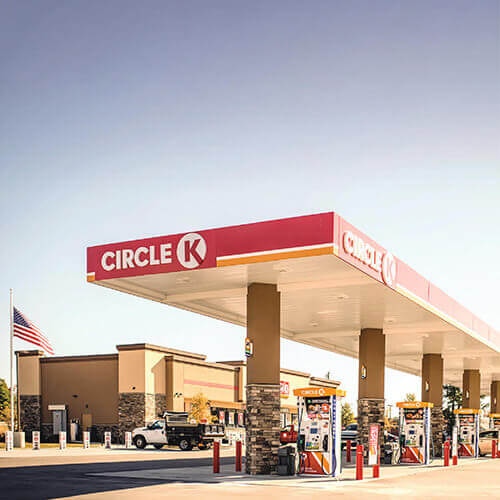
Circle K is the convenience-store brand of Quebec-based Alimentation Couche-Tard. As of 2026 the parent operates close to 17,300 stores in 29 countries — about 7,300 in the United States, 2,100 in Canada, and 5,200 in Europe. That scale shapes the pricing in two opposite directions: huge buying power on fuel, much smaller buying power on the snacks and drinks inside.
About Circle K
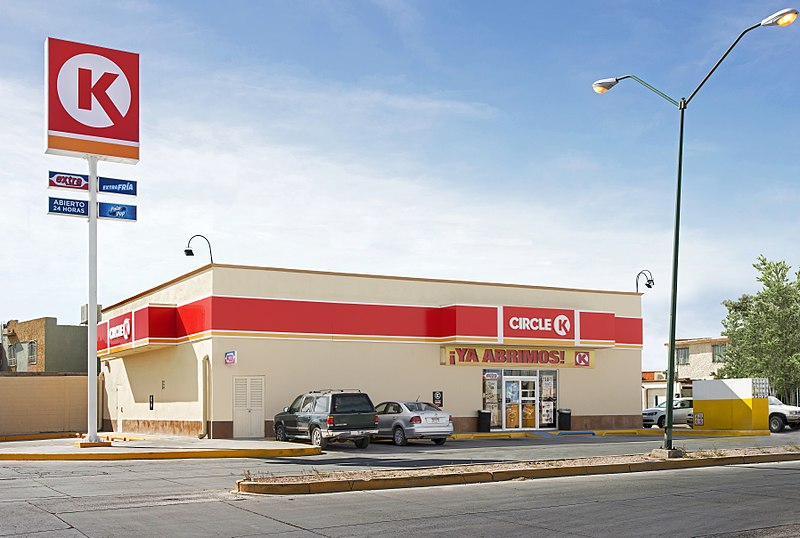
Circle K Stores, Inc. is headquartered in Tempe, Arizona. It was founded in 1951 in El Paso, Texas, filed for bankruptcy in 1990, and was bought by Alimentation Couche-Tard in 2003. In 2015 Couche-Tard rolled the Circle K brand out worldwide, replacing Mac’s in Canada, Statoil in Europe, and Kangaroo Express in the US Southeast. In 2024 the company expanded into Belgium, Germany, Luxembourg, and the Netherlands with another ~2,200 sites.
Why Circle K Feels Expensive
A few honest reasons, ranked by how much they actually move the bill.
1. Convenience-store markup on packaged goods
This is the biggest factor. A 20-oz Coke that costs $1.79 at Walmart is often $2.99 at a c-store. The reason: low turnover, small package sizes, smaller wholesale orders, and 24-hour staffing. Circle K buys in pallets; a Costco buys in trucks. The per-unit cost is higher and the shelf price reflects it.
2. 24-hour operating costs
Most US Circle K locations run 24/7. That means three shifts of staff, lights, refrigeration, security, and POS connectivity around the clock. Late-night sales rarely cover their own costs, so daytime prices subsidize the night shift.
3. Single-serve packaging
A single bag of chips costs more per ounce than a multi-pack. Convenience stores stock single-serve almost exclusively because that is what the customer is buying — fuel for the next hour, not the next week.
4. Slow merchandise turnover
A grocery store moves the same item dozens of times per day. A Circle K may move it once. Fixed costs — rent, electricity, insurance — are spread across far fewer transactions per SKU, so each transaction has to carry more of the overhead.
5. State liquor and tobacco taxes
Beer, wine, and tobacco prices vary wildly by state. Circle K stores in high-tax states (California, New York, Washington) charge noticeably more than stores in Texas or Wyoming. According to the Minnesota Office of the Legislative Auditor, off-sale beer prices in Minnesota run 5–7% higher than in Wisconsin because of tighter rules.
6. Rebrand and remodel costs
The 2015 global rebrand and ongoing store refreshes — wider aisles, new signage, fresh-food cases — are funded out of margin. New-build and remodeled stores often run a slightly higher price ladder than legacy locations.
7. Delivery fees through third parties
Circle K partners with Favor, DoorDash, Uber Eats, and Grubhub. App pricing is set higher than in-store pricing, and the customer also pays delivery + service fees. A $4 in-store snack can land at $9 by the time it reaches the door.
What About the Gas?
This is where the “Circle K is expensive” reputation falls apart. Circle K runs a high-volume, low-margin fuel strategy designed to pull customers inside. In most US markets Circle K gas is within a few cents of regional averages, and the chain frequently runs 40-cents-off-per-gallon “Fuel Day” promotions for members.
Circle K markets its gas as a quality product backed by an EPA-compliant additive package, and the chain offers a Quality Guarantee that reimburses fuel-related repairs. Note that Circle K is not currently on the official Top Tier list of certified retailers — so if Top Tier is the bar you set, Shell, Chevron, Exxon, Mobil, and Costco are the brands to look for.
Where Circle K Is Actually a Good Deal
- Polar Pop fountain drinks: routinely under a dollar for a large.
- Roller-grill items: 2-for-$3 hot dogs and taquitos beat fast food on a per-calorie basis.
- Inner Circle membership: free to join, gets the Fuel Day discount and stacked snack deals.
- Sip & Save subscription: in participating regions, $5–7/month for unlimited Polar Pops and coffee.
FAQ
Is Circle K really more expensive than other gas stations?
On gas, no — pricing is competitive within a few cents of regional averages. On packaged snacks and drinks, yes — expect a 30–60% markup over a supermarket.
Is Circle K Top Tier gasoline?
No, Circle K is not currently certified by Top Tier. The chain runs its own additive program and offers a Quality Guarantee, but the official Top Tier list does not include Circle K.
Who owns Circle K?
Alimentation Couche-Tard, a Canadian convenience-store group based in Laval, Quebec. Couche-Tard acquired Circle K in 2003.
How do I get Circle K cheaper?
Join the free Inner Circle program, watch for Fuel Day, and check the Sip & Save monthly pass if you buy fountain drinks or coffee daily.
Why are c-store snacks always more expensive?
Smaller wholesale orders, single-serve packaging, slow turnover, and 24-hour overhead. The customer is paying for the convenience, not just the product.
Recommended:
Why is Khaite so expensive? (6 Reasons to own a piece of Khaite + All About Khaite)
Why are Golden Goose Shoes so Expensive
Leave a Reply
You must be logged in to post a comment.