The Religious Society of Friends — better known as the Quakers — has shaped American higher education since the 1600s. Today, 14 US colleges and universities are recognised as Quaker-founded or Quaker-affiliated by the Friends Association for Higher Education (source: FAHE).
Quaker schools are known for honour codes, consensus-based governance, peace and social-justice programmes, and small, discussion-led classes. The list below covers each one — what it offers, where it sits, and how strong its Quaker tie remains today.
Quakers and US Higher Education
The first Quaker school in America was founded by William Penn in Philadelphia in 1689. Quakers built schools first because they believed education should be available to every child — boys and girls, rich and poor — and that learning, faith and social action belong together.
Six core Quaker values, often called the SPICES, run through every Quaker college today:
- Simplicity
- Peace
- Integrity
- Community
- Equality
- Stewardship
The 14 Quaker Colleges and Universities in the US
1. Antioch College
Location: Yellow Springs, Ohio
A small private liberal arts college founded in 1850 by the Christian Connection. Antioch joined the Friends Association for Higher Education as an associate member because its values — progressive education, social activism, experiential learning — line up with the Quaker tradition. It is best known for its required co-op programme, where every undergraduate alternates academic terms with paid full-time work placements.
2. Barclay College
Location: Haviland, Kansas

A small evangelical Friends college best known for theology, biblical studies and Christian ministry programmes. Since 2007, Barclay has offered full-tuition scholarships to every full-time, on-campus residential student — among the most generous tuition guarantees in US higher education. Visit barclaycollege.edu.
3. Bryn Mawr College
Location: Bryn Mawr, Pennsylvania

Founded in 1885, Bryn Mawr was the first US college to award a PhD to a woman. It is a member of the prestigious Seven Sisters network and the Tri-College Consortium with Haverford and Swarthmore. About 1,350 undergraduates and 450 graduate students enrol each year.
4. Earlham College
Location: Richmond, Indiana

A private liberal-arts college founded by Friends in 1847. Earlham emphasises consensus-based governance, peace and global studies, and is one of the most actively Quaker-identified undergraduate colleges in the country.
5. Earlham School of Religion (ESR)
Location: Richmond, Indiana
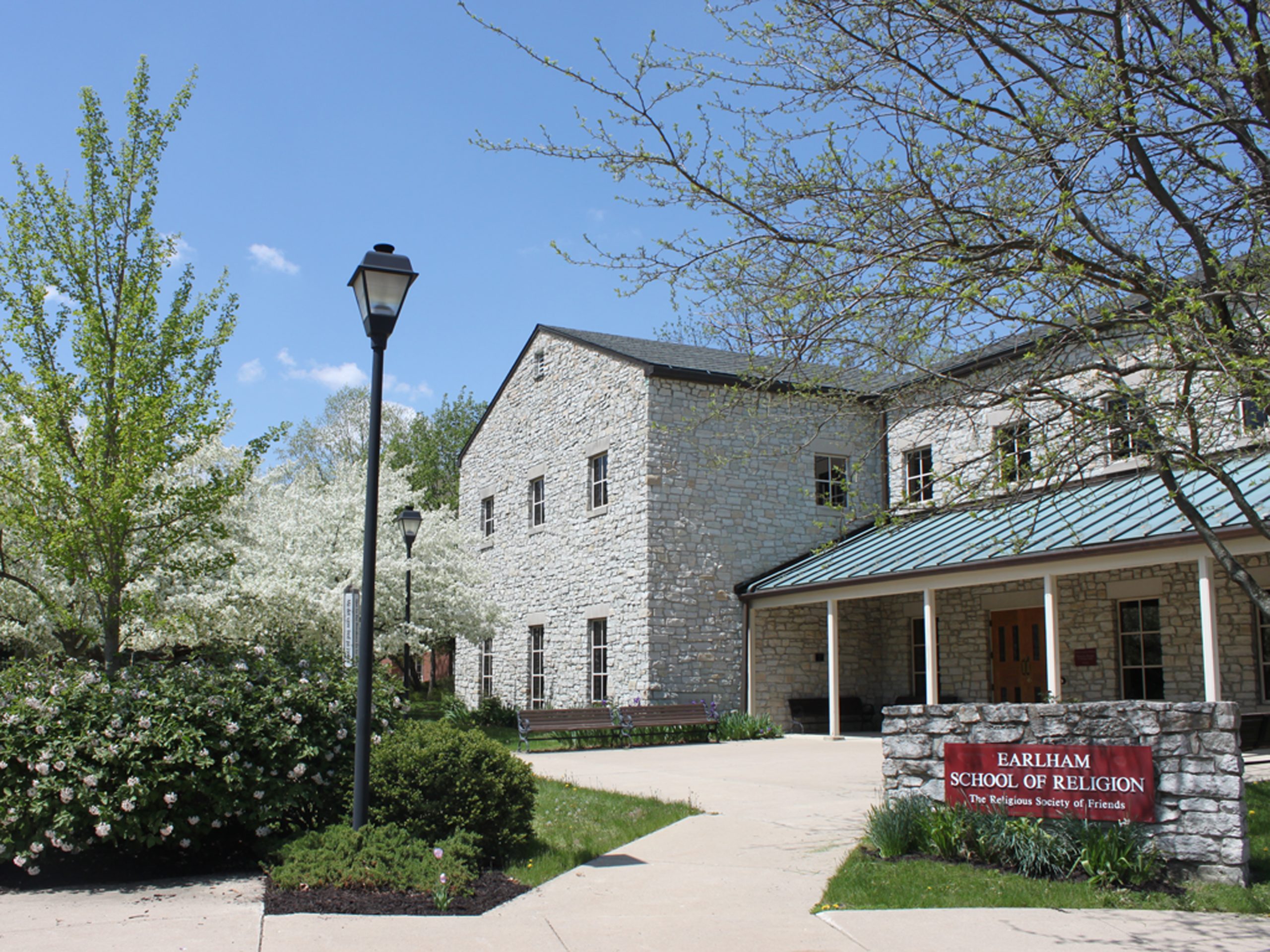
The graduate seminary attached to Earlham College and the only seminary of the Religious Society of Friends. ESR offers Master of Divinity, Master of Ministry and Master of Arts in Religion programmes, training pastoral and ministry leaders across multiple Christian traditions. Visit esr.earlham.edu.
6. Friends University
Location: Wichita, Kansas

Founded in 1898, Friends University is a private Christian university with Quaker roots. Best-known programmes include zoo science, fine arts and an MBA with a strong working-adult focus.
7. George Fox University
Location: Newberg, Oregon

Founded in 1891 as Pacific College and later renamed for the founder of the Religious Society of Friends. George Fox enrols around 4,000 students across its main Newberg campus and satellite sites in Portland, Salem and Redmond.
8. Guilford College
Location: Greensboro, North Carolina

Founded in 1837 by North Carolina Friends, Guilford is the oldest coeducational college in the southern US. The “Guilford Edge” curriculum gives every student a real-world project component each semester.
9. Haverford College
Location: Haverford, Pennsylvania

Established in 1833 as a Quaker men’s college, opened to non-Quakers in 1849, and became coeducational in 1980. Haverford is one of the most selective liberal arts colleges in the US. Its Quaker-rooted Honor Code is student-run and shapes academic and residential life — including unproctored exams.
10. Malone University
Location: Canton, Ohio

Founded in 1892 by Walter and Emma Malone as Cleveland Bible College. Malone University remains affiliated with the Evangelical Friends Church — Eastern Region — but enrols students of many faiths and none.
11. Swarthmore College
Location: Swarthmore, Pennsylvania

Founded in 1864 by Hicksite Friends, Swarthmore was one of the earliest coeducational colleges in the US. The college dropped its formal religious tie in 1906 but Quaker values still shape its consensus-based meetings, peace and conflict studies programme, and Honors curriculum. Swarthmore ranks 5th among national liberal arts colleges in the 2026 US News rankings.
12. Whittier College
Location: Whittier, California

Founded in 1887 and named after Quaker poet John Greenleaf Whittier. Whittier dropped formal Friends ties in the 1940s but its Quaker emphasis on individuality, fairness and global outlook still permeates its curriculum.
13. William Penn University
Location: Oskaloosa, Iowa

Founded by Iowa Friends in 1873 as Penn College. Renamed William Penn College in 1933 and elevated to William Penn University in 2000. Students come from 46 states and 23 countries — one of the most diverse student bodies in the Midwest.
14. Wilmington College
Location: Wilmington, Ohio
A four-year liberal arts college founded by Ohio Yearly Meeting in 1870. Wilmington remains formally affiliated with the Religious Society of Friends and is known for its agriculture, education and peace-studies programmes.
How to Choose a Quaker College
- Decide how Quaker you want it to feel. Earlham, Guilford and Haverford retain visibly Quaker community life (silent meetings, consensus governance, honour codes). Bryn Mawr, Swarthmore and Whittier are secular today but carry Quaker DNA in their academic culture.
- Match the academic profile. Haverford, Swarthmore and Bryn Mawr are highly selective national liberal arts colleges. Friends, George Fox, Malone and William Penn are mid-selectivity comprehensive universities.
- Compare cost. Quaker colleges run the full range from Barclay’s full-tuition scholarship to Swarthmore’s $90,000+ sticker price. Most match aid generously through Quaker yearly meetings and FAHE-affiliated funds.
- Visit a meeting for worship. Most Quaker colleges run an open meeting where you can sit in silent worship for an hour. It is the fastest way to feel whether the school’s pace and culture suit you.
Frequently Asked Questions
How many Quaker colleges are there in the US?
14 US colleges and universities are members of the Friends Association for Higher Education, the recognised body of Quaker-affiliated higher education institutions.
Are Quaker colleges Christian?
Quakerism has Christian roots, but Quaker colleges accept students of every faith and none. Some — like George Fox, Malone and Barclay — identify openly as Christian. Others — like Swarthmore, Bryn Mawr and Haverford — dropped formal Friends ties decades ago and operate as secular liberal-arts colleges.
What are the SPICES?
Simplicity, Peace, Integrity, Community, Equality and Stewardship — the six core Quaker testimonies that shape both worship and education at Friends-affiliated schools.
What is a Quaker honour code?
A student-run code of conduct that requires academic and personal integrity. At Haverford, exams are usually unproctored and students self-schedule their own finals — the code is the proctor.
Which is the most prestigious Quaker college?
Swarthmore is the highest-ranked Quaker-affiliated college, sitting at #5 among national liberal arts colleges in the 2026 US News rankings. Haverford (ranked 24th) and Bryn Mawr (ranked 30th) are also in the top tier.
Do Quaker colleges only admit Quakers?
No. Most Quaker colleges enrol fewer than 5% Friends students. Admission is open to all faiths, and Quaker values are taught as a community ethic rather than a doctrinal requirement.
Where can I find an official list of Quaker colleges?
The Friends Association for Higher Education maintains the recognised list of member institutions and study centres.
What’s the difference between an evangelical Quaker college and a liberal Quaker college?
Evangelical Quaker colleges (George Fox, Malone, Barclay, Friends) follow a more traditional Christian doctrinal stance with required statements of faith for staff. Liberal Quaker colleges (Earlham, Guilford, Haverford, Swarthmore) emphasise the unprogrammed silent worship tradition and broader interfaith inclusion.
Read also: Online Colleges That Provide Laptops to Students
Leave a Reply