Free summer programs let high school students take college-level classes, do real research, or explore a field for weeks at a time at no cost. The programs below cover tuition, and many also pay for housing, meals, and travel. Most are aimed at U.S. high schoolers, and several focus on students who are first in their family to attend college or come from low-income backgrounds.

You will live like a college student, dig into a subject you care about, and meet other teens who share your interests. Many also help with college essays and financial aid.
A quick note on cost: this list sticks to programs that are free for the students they accept. Some well-known college “pre-college” or “summer study” programs (Harvard, Georgetown, Penn, UCLA) charge several thousand dollars in tuition, so they are not included here.
Why join a summer program?
A summer program is a strong way to explore a topic in depth before you commit to it in college.
It also strengthens your college application. It shows you went beyond your school’s classes to learn more about a subject.
Pick one for personal interest first. Find a course or camp that covers a subject you actually want to study.
Weigh these factors when you compare programs:
- Your goal
- The subject
- The location
- The program’s reputation
- How selective it is
A timing note: applications for most summer programs open in late fall or early winter (often November to January) and close in winter or early spring (often January to April). By late spring and summer, applications are usually closed. If you are reading this mid-year, check each program’s site now and mark the open date for next year.
Free summer programs for high school students
Here are strong free options, grouped loosely by focus. Each links to the official page so you can check current dates and eligibility:
- Telluride Association Summer Seminar (TASS)
- Research Science Institute (RSI) at MIT
- MIT Introduction to Technology, Engineering, and Science (MITES)
- Carnegie Mellon Summer Academy for Math + Science (SAMS)
- Cornell Engineering CURIE Academy
- Inspiring Girls Expeditions
- Canada/USA Mathcamp
- National Youth Science Camp (NYSCamp)
- NYU Tandon Computer Science for Cyber Security (CS4CS)
- Girls Who Code Pathways
- Princeton Summer Journalism Program
- JCamp
- USC Annenberg Youth Academy for Media and Civic Engagement
- Business Opportunities Summer Session (BOSS) at Penn State
- USC Bovard Scholars
- Pomona College Academy for Youth Success (PAYS)
- Sadie Nash Summer Institute
- University of New Hampshire Upward Bound
- NYU SPS High School Academy: Aspire
- Smithsonian Young Ambassadors Program
- Carnegie Mellon Summer Opportunities for Access and Inclusion
Here is more detail on the most popular ones.
1. Telluride Association Summer Seminar (TASS)
TASS is a free educational experience for high school sophomores and juniors. (It was called TASP for many years; the high school program now runs as TASS.)
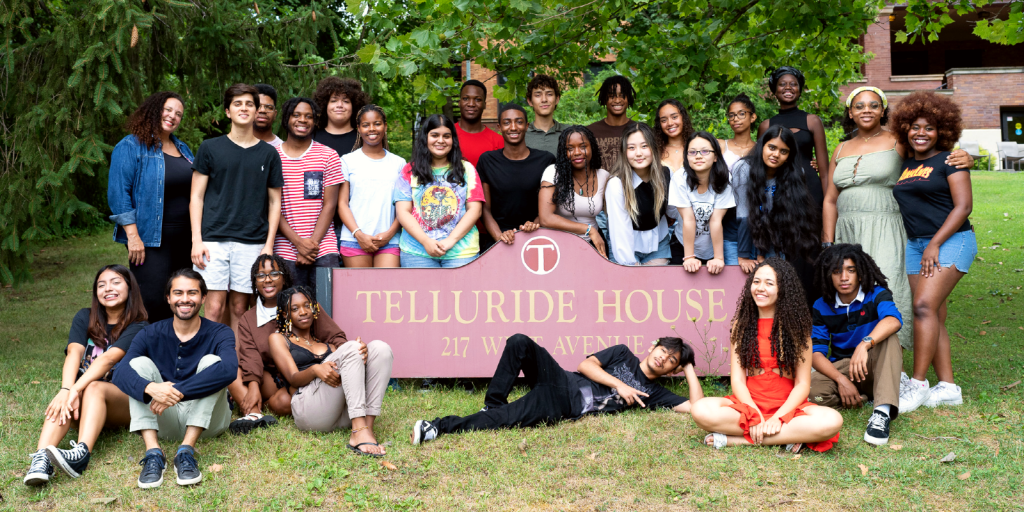
Students join seminars led by college and university faculty and take part in educational and social activities outside class.
You learn through discussion, not lectures. Expect to read challenging articles and papers and write your own.
Telluride covers everything: tuition, books, room and board, field trips, and fees. The 2026 seminar ran June 21 to July 25. Applications usually open in the fall and close in winter.
2. Research Science Institute (RSI) at MIT
The Research Science Institute brings about 100 of the world’s top high school students to MIT each summer for science and engineering research.
You spend a week in intensive STEM classes, then five weeks on an individual research project guided by an experienced scientist.
RSI is free. All classes, housing, and dining are covered. The 2026 program ran June 28 to August 8. RSI is run by the Center for Excellence in Education; applications usually close in winter.
3. MIT Introduction to Technology, Engineering, and Science (MITES)
MITES Summer is a six-week residential STEM program for rising high school seniors from underrepresented and underserved backgrounds.
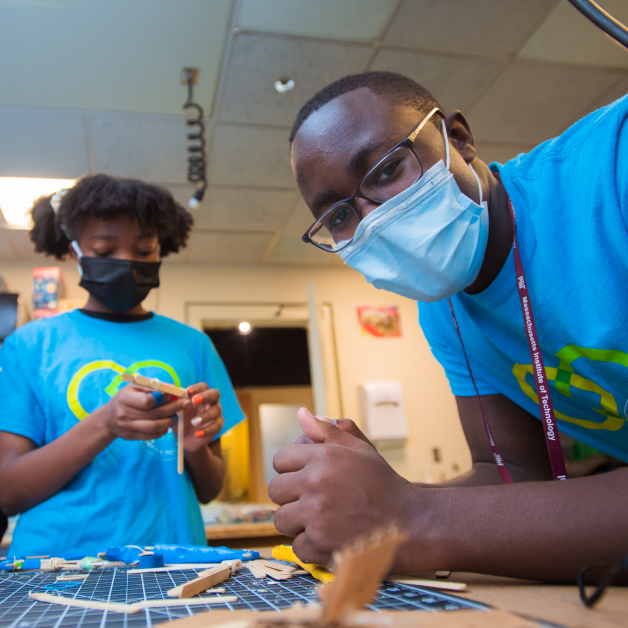
The program builds confidence, a sense of belonging in STEM, and a strong foundation for college engineering and science.
MITES is free. MIT and its donors cover all program, food, and housing costs; you pay only for travel to MIT. You must be in 11th grade when you apply and be a U.S. citizen or permanent resident. Applications usually open in November and close around February 1.
4. Carnegie Mellon Summer Academy for Math + Science (SAMS)
SAMS teaches biology, math, physics, and more. It is a strong intro to a STEM career.
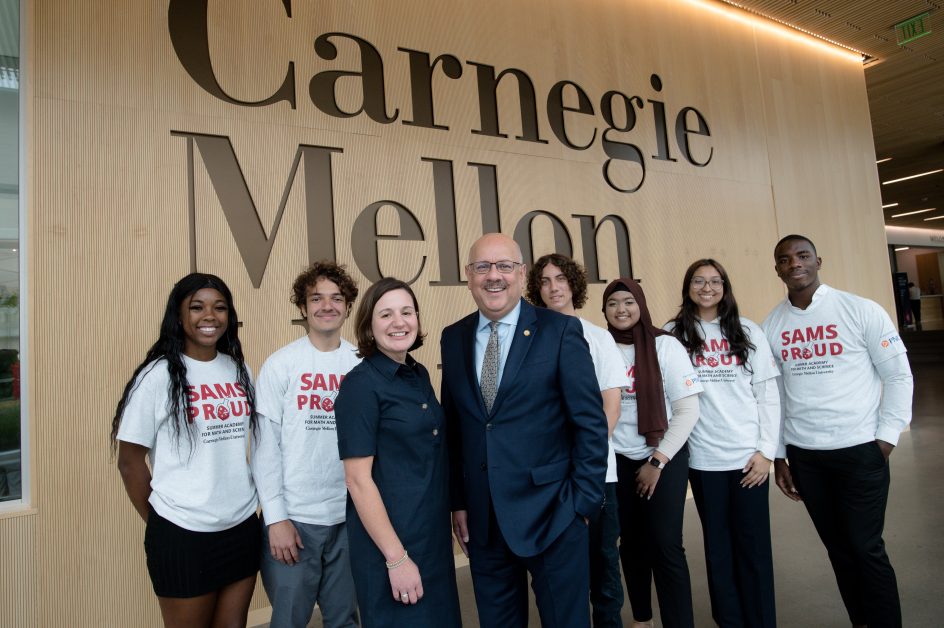
You learn through classroom instruction, hands-on projects, and work with faculty and mentors. You also build friendships with peers from across the country.
SAMS is fully funded, so scholars pay nothing beyond travel to Pittsburgh. You must be a U.S. citizen or permanent resident in 11th grade when you apply. The 2026 program had a virtual Jumpstart on June 15–16, followed by six weeks in person.
5. Cornell Engineering CURIE Academy
The CURIE Academy is a one-week residential program for high school girls who excel in math and science.
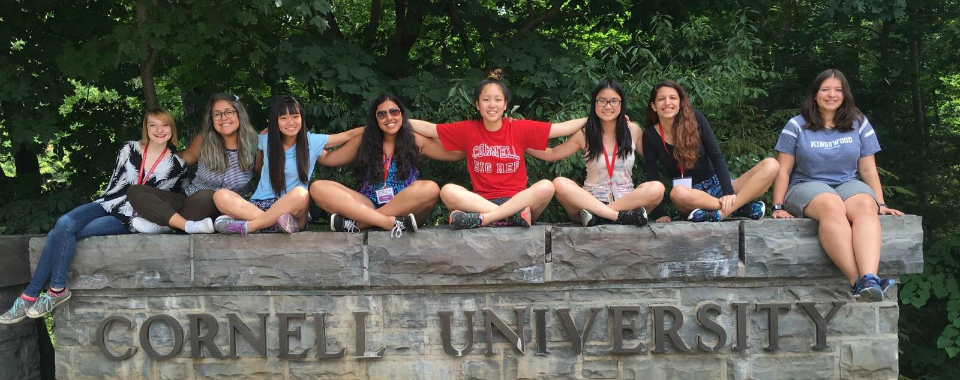
It is built for rising juniors and seniors who want to explore engineering with a real college experience. Scholarships for tuition and travel are available based on need.
6. Inspiring Girls Expeditions
Inspiring Girls Expeditions empowers young women through science, art, and outdoor exploration.

The first expedition ran in 1999 in Washington state’s North Cascades. The program now runs in the U.S., Canada, Switzerland, Austria, Central Asia, and New Zealand.
Each team of 8 to 9 teenage girls and three instructors spends 12 days exploring a remote, wild place. The expeditions are tuition-free.
7. Canada/USA Mathcamp
Mathcamp is an intensive five-week summer program where students explore math far beyond the school curriculum.
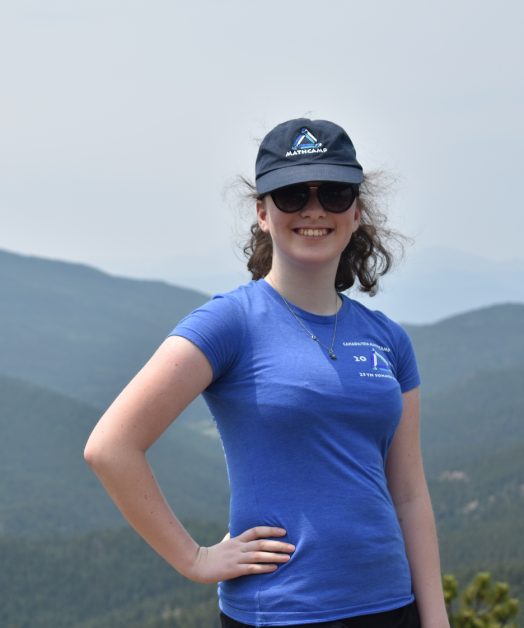
You study undergraduate and even graduate topics alongside a diverse group of people who love math. It is open to students ages 13 to 18 from around the world.
Cost depends on family income: Mathcamp is free for U.S. and Canadian families earning under $100,000, and need-based aid is available for others. The 2026 camp ran June 28 to August 2 at Champlain College in Burlington, VT.
8. National Youth Science Camp (NYSCamp)
The National Youth Science Camp is a month-long STEAM camp for two top graduating seniors from each state plus Washington, DC.
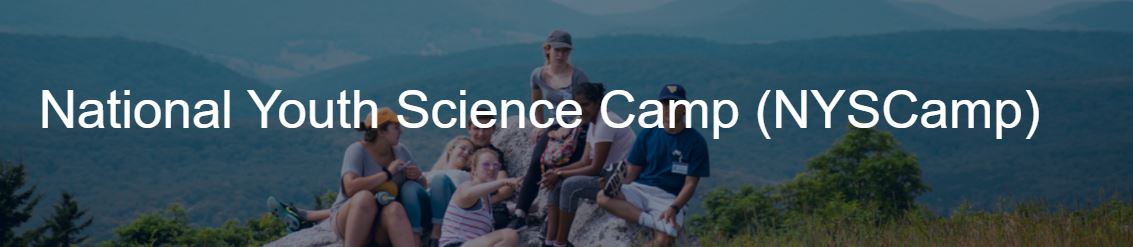
Held in West Virginia’s Monongahela National Forest since 1963, it pairs daily lectures from STEM experts with outdoor activities and a trip to Washington, DC.
Selected delegates attend at no cost. Housing, meals, programming, and transportation are all covered. You must demonstrate strength in math or science plus leadership. The 2026 camp ran July 11 to August 1.
9. NYU Tandon Computer Science for Cyber Security (CS4CS)
The CS4CS program is a three-week intro to cybersecurity and computer science at NYU’s Tandon School of Engineering.
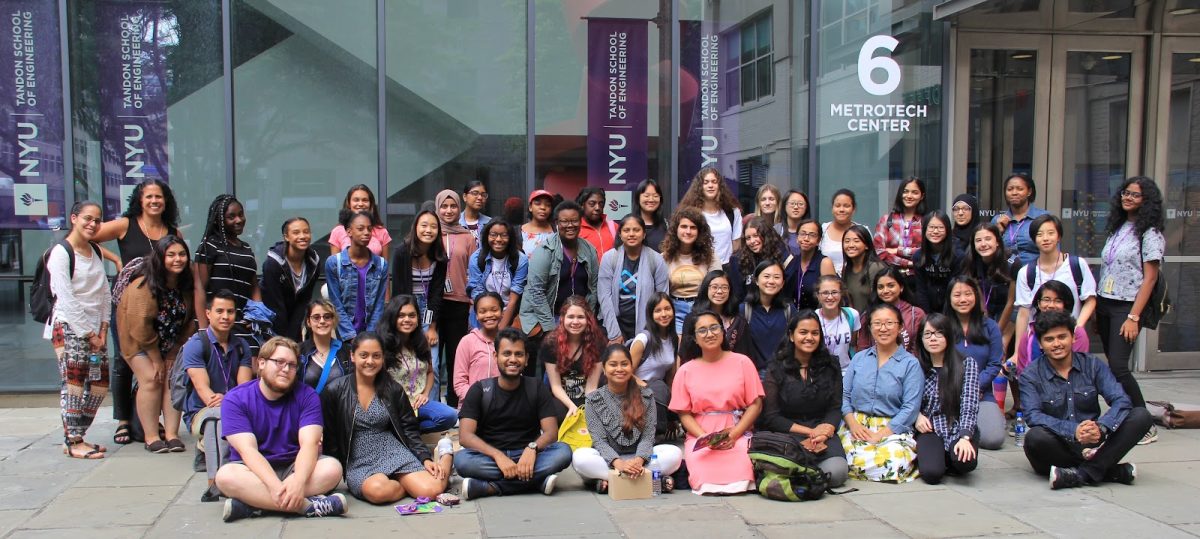
You explore ethical hacking, cryptography, digital forensics, and steganography. No prior coding or cybersecurity experience is needed.
CS4CS is tuition-free, with support from DTCC. You must live in New York City or nearby parts of New Jersey and Nassau County. The 2026 program ran July 13 to August 7.
10. Girls Who Code Pathways
Pathways is a free virtual summer program from Girls Who Code. (It replaced the in-person Summer Immersion Program, which ended after summer 2025.)
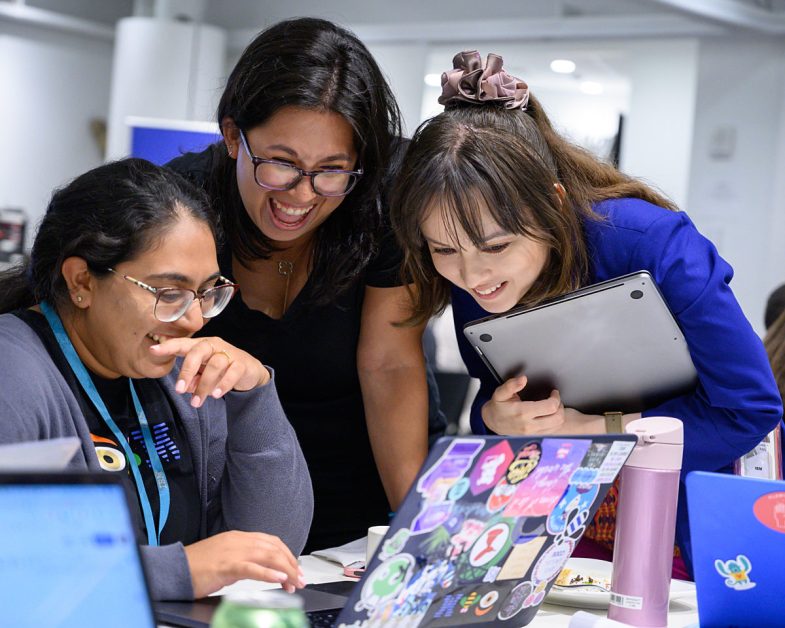
You learn at your own pace over about seven weeks. Tracks include Data Science + AI, Game Design, Web Development, Cybersecurity, and AI + Society.
Pathways is open to high school girls and nonbinary students of all experience levels, from rising 9th graders to graduating seniors. No prior coding knowledge is required. You also get partner events with tech companies and access to a private community.
11. Princeton Summer Journalism Program
The Princeton Summer Journalism Program (PSJP) offers a free, year-long college prep and journalism program for high school juniors from low-income backgrounds.

Each summer, up to 40 students study current events through workshops and lectures led by Princeton professors, working journalists, and alumni. The summer ends with a 10-day residency on campus, where students publish the Princeton Summer Journal.
Travel, housing, meals, and equipment are all covered. During senior year, each student works with a personal college adviser on applications. Since 2002, PSJP has graduated more than 500 students.
12. JCamp
The Asian American Journalists Association’s JCamp is a national multicultural journalism program for high school students.
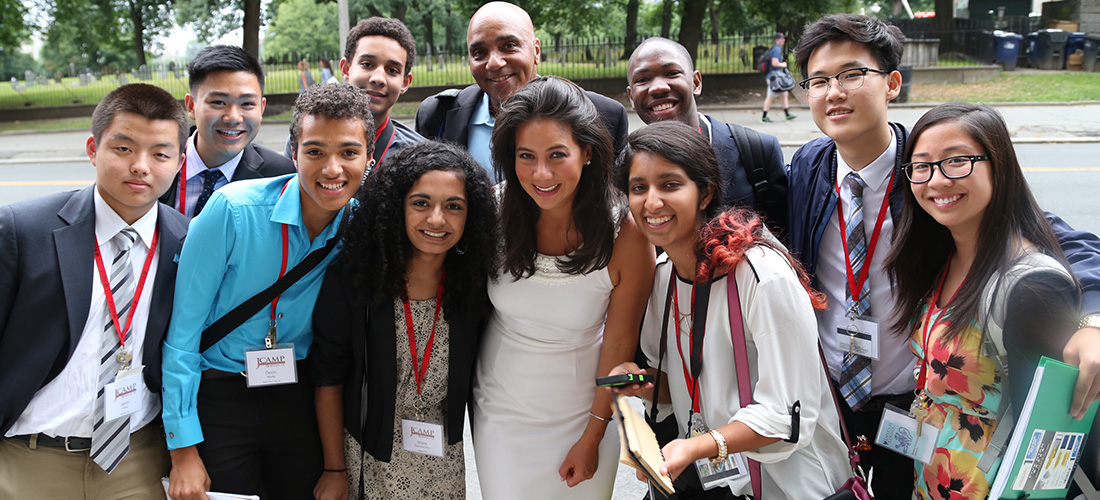
Over about a week, students learn from veteran journalists and media leaders. Topics include leadership, journalism ethics, and the value of diversity in coverage.
Despite the organization’s name, JCamp is open to all high school sophomores and juniors with a strong interest in journalism. The program is all-expenses-paid: it covers the application, the program, lodging, and travel.
13. USC Annenberg Youth Academy
The Annenberg Youth Academy for Media and Civic Engagement is a four-week intensive academy for 26 high school students from communities around USC’s campuses.
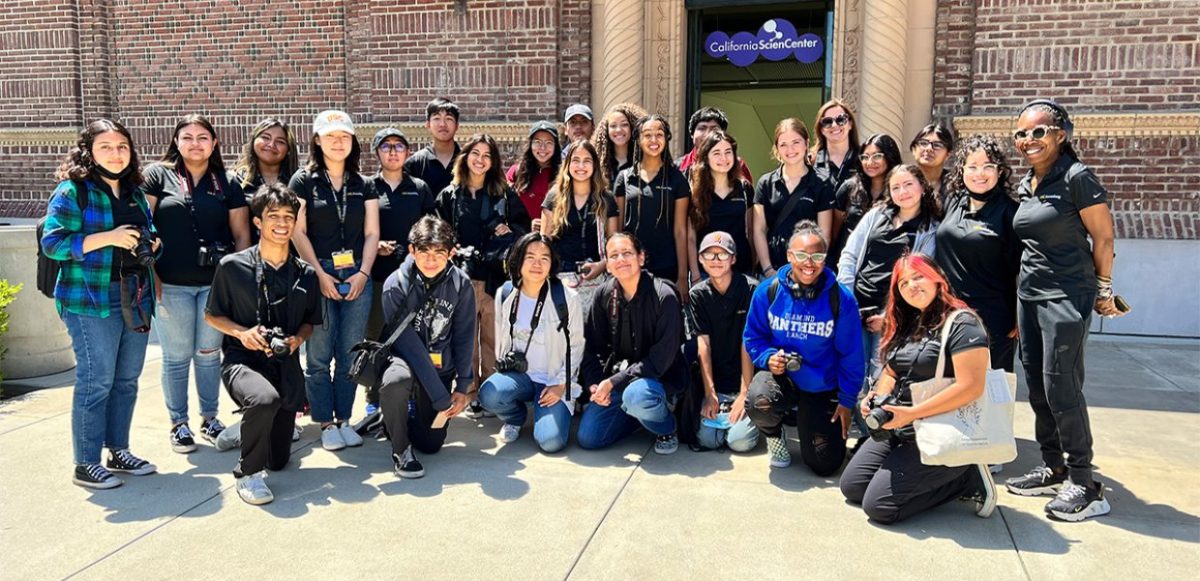
This selective program covers writing, public speaking, debate, critical thinking, and multimedia, with a focus on media and journalism. Students take the equivalent of first-year college courses.
You must live and attend high school in Los Angeles County. The program is free and includes daily breakfast and lunch, possible transportation help, and college advising from the USC Annenberg admissions team. The 2026 application closed in April.
14. Business Opportunities Summer Session (BOSS) at Penn State
BOSS is a two-week residential program for rising high school seniors interested in studying business in college.
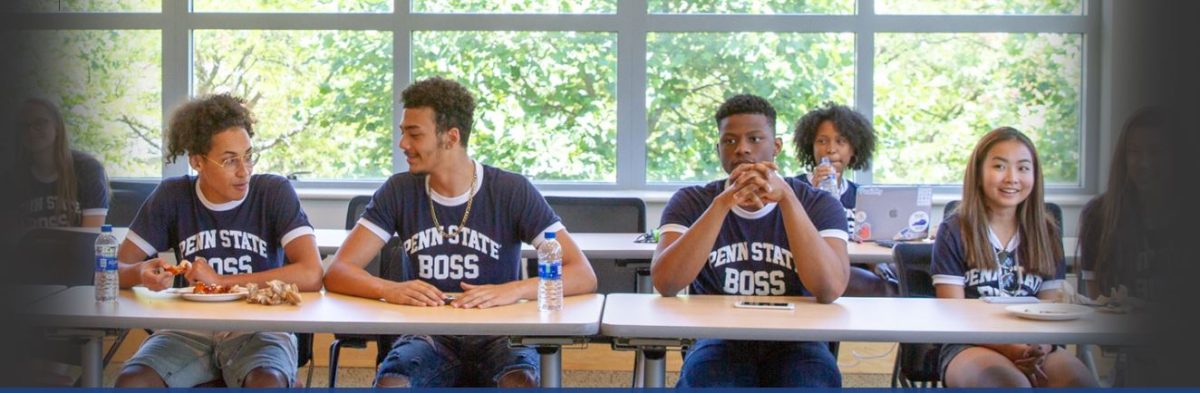
You take college prep courses and business fundamentals taught by Penn State faculty at the University Park campus.
Getting in is competitive. The application works like a mini college application: a statement of purpose, your transcript, and a recommendation letter. BOSS is free for accepted students. The 2026 session ran June 14–26; applications usually open in fall and close in spring.
15. USC Bovard Scholars
USC Bovard Scholars supports high-achieving, low-income rising seniors with college admissions help, test prep, and career exploration.
The program is free, and USC covers travel for students coming from outside Southern California. You apply as an 11th grader at a U.S. high school. The summer intensive runs three weeks, followed by year-round support. The 2026 application closed in January.
16. Pomona College Academy for Youth Success (PAYS)
The Pomona College Academy for Youth Success is a free three-year college-access program that enrolls more than 90 local high school students.
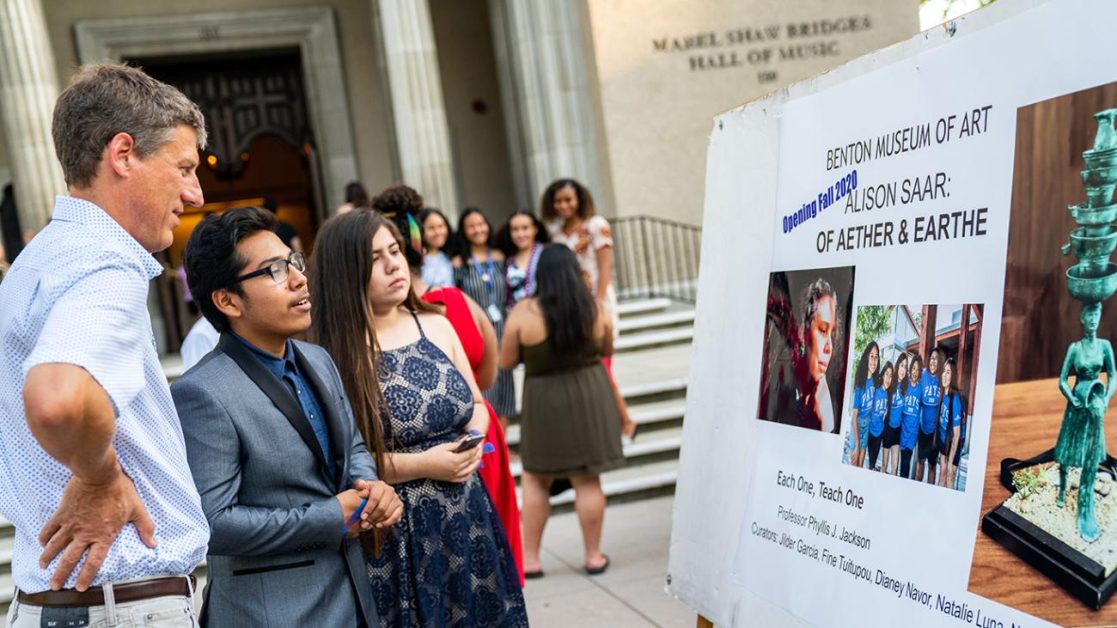
It prepares students for admission to selective colleges. Each summer, scholars attend a four-week residential program of courses, workshops, and field trips, plus support through the school year.
Pomona covers all costs, including housing, food, activities, and field-trip travel. PAYS serves rising sophomores through rising seniors who are first in their family to attend college or from low-income families.
17. Sadie Nash Summer Institute
The Sadie Nash Summer Institute is a six-week leadership program for young women and gender-expansive youth in New York City and Newark.
You explore identity, social justice, and leadership through workshops, meet local leaders, and go on field trips. There are no academic requirements to apply.
The program is free, and participants receive a stipend based on their participation.
18. University of New Hampshire Upward Bound
UNH Upward Bound is a free, federally funded college prep program for eligible students at specific New Hampshire high schools.
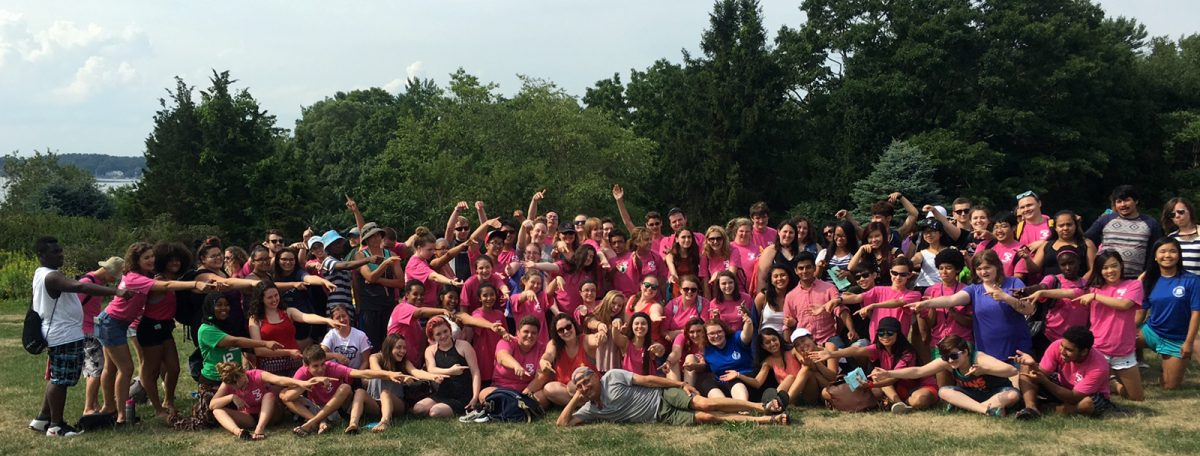
During the six-week summer program, students live on the UNH campus. Days are full of academic classes, problem-solving, team building, trips, and sports. All services, including the residential summer academy, are free to enrolled students.
19. NYU SPS High School Academy: Aspire
Aspire is a free, two-year college readiness program for first-generation and underrepresented high school students.
It starts with a one-week summer immersion on NYU’s campus, then continues during the school year with sessions on college admissions, financial aid, and leadership. Accepted students get a scholarship that covers tuition, housing, and meals.
20. Smithsonian Young Ambassadors Program
The Young Ambassadors Program (YAP), hosted by the Smithsonian’s National Museum of the American Latino, builds leadership in rising high school seniors across the U.S. and Puerto Rico.
You explore the arts, sciences, and humanities using the Smithsonian’s resources. The program is open to rising seniors regardless of race or ethnicity. Applications usually open in late winter.
21. Carnegie Mellon Summer Opportunities for Access and Inclusion
Carnegie Mellon’s Center for Student Diversity and Inclusion runs several free, fully funded summer programs for high school students from underrepresented backgrounds, including SAMS and AI Scholars.
Accepted students pay no tuition, housing, or meal costs and there is no application fee. Check the center’s page for the current list and deadlines, since offerings change year to year.
Alternatives to summer programs
If you want hands-on experience instead of classroom learning, you have other options.
Interested in writing? Start a blog, publish on Medium, or pitch a local newspaper or magazine.
Volunteering builds relevant experience too. Love biology? Offer to help at a zoo or marine park.
Internships and summer jobs give you real-world experience that looks strong on college applications.
Start with your goal, then work backward to choose the path that gets you there.
Recommended:
Best Political Science Schools in the US (Top 10 Ranking)
Do you need a Bachelors to get a Masters?
Harvard Admission Requirements
22 Best Full Coverage Drugstore Foundations
Leave a Reply
You must be logged in to post a comment.