Do you enjoy Shakespearean Literature? But find it harder to understand old-fashioned English used in the text? This article will be of value to you. We will explore the best Shakespeare translator tools and apps to improve your reading.
William Shakespeare was one of the greatest writers in English history. Most of his reputation is based on the plays he authored, but his poetry is also well-known. Shakespeare’s English is significantly different from the modern English we speak every day. So, in order to understand Shakespeare’s plays and poems, you must use Shakespeare translator tools and apps.
Shakespeare’s language can feel like a different country: grand, poetic, and sometimes painfully confusing. Whether you’re a student pulling an all-nighter, a teacher preparing a lesson, an actor learning a role, or a curious reader who wants to enjoy the plays without stumbling over “wherefore” and “thou,” the right digital tool can make Shakespeare accessible without flattening the poetry.
This post walks you through the best Shakespeare translator tools and apps, explains what features matter, shows how to choose, and gives practical tips for using modernizations while preserving Shakespeare’s artistry.
Why use a Shakespeare translator tool?
-
Speed: Instantly modernize archaic words and grammar to grasp meaning.
-
Comprehension: Line-by-line translations and annotations make metaphors, puns, and cultural references clear.
-
Study & Teaching: Teachers use translations to scaffold lessons; students use them for homework and exams.
-
Performance Prep: Actors can test alternate phrasings and check historical pronunciation/metrics.
-
Accessibility: Learners with different languages or reading levels can approach the plays more confidently.
What to look for in a Shakespeare translator tool
Not all translators are created equal. When evaluating tools, prioritize:
-
Line-by-line modernizations — preserves structure so you can compare original and modern text directly.
-
Annotations & footnotes — cultural, historical, and grammatical notes that explain choices.
-
Meter & rhyme awareness — tools that flag iambic pentameter, elisions, and stresses are invaluable for actors.
-
Searchable concordance — find every use of a word or motif across plays.
-
Batch/OCR support — upload scans or PDFs and translate whole scenes or acts.
-
Offline mode & mobile apps — helpful for rehearsal rooms or the classroom without Wi-Fi.
-
Export & citation options — export translations with notes for lesson plans or essays.
-
Customization — toggle how aggressively the text is modernized (light touch vs. full paraphrase).
-
Accuracy transparency — tools that explain how they translate (rule-based + neural, human-edited, etc.).
-
Cost & licensing — free options are great for students; pay tiers often add exports, OCR, and teacher features.
15 Best Shakespeare Translators
Here are the best Shakespeare translator tools and apps:
1. SparkNotes
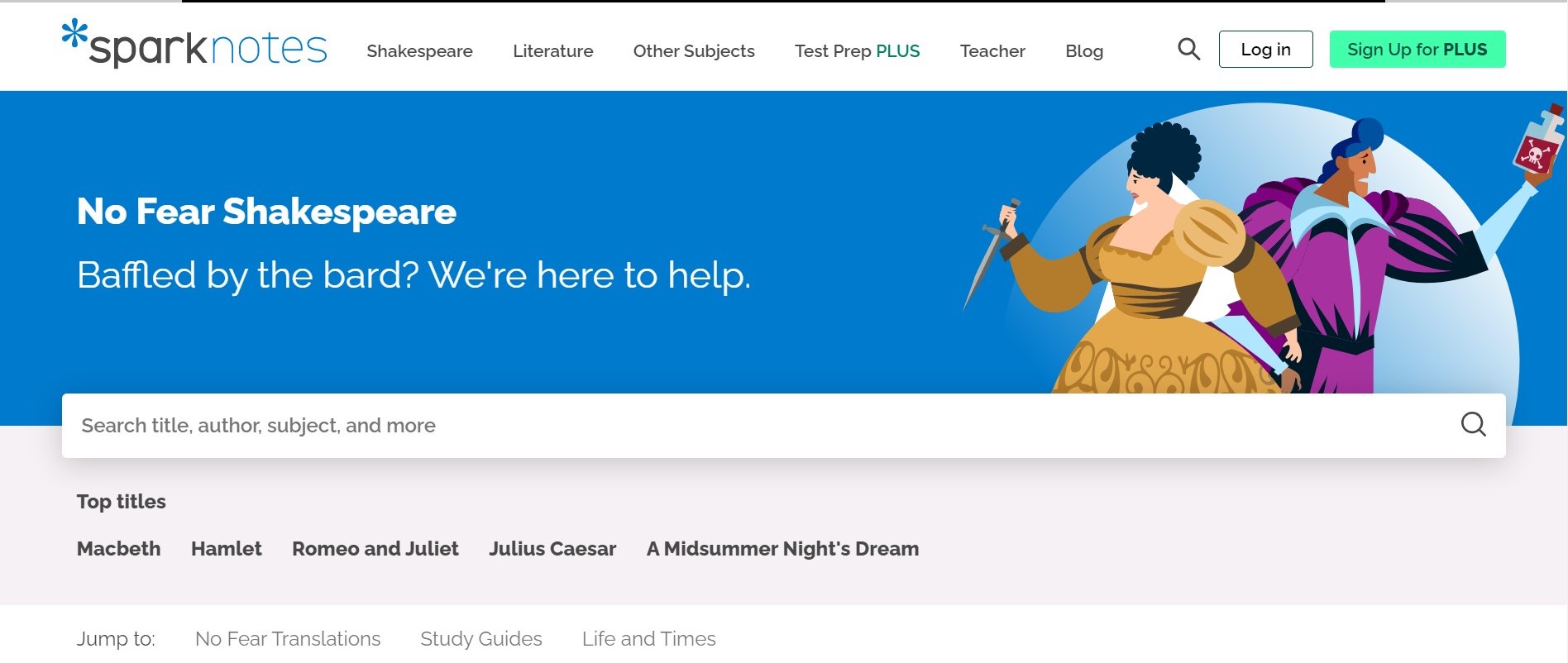
SparkNotes is the first on this list because it is one of my favorite Shakespeare translation tools because of its simplistic and interactive interface. it is a new translation application that converts everyday English to Shakespearean English and vice versa. Shakespeare has several connotations, quotes, and phrases in SparkNotes to aid you in improving your literary skills.
Additionally, SparkNotes uses its reverse translation function to translate an entire Shakespeare play into contemporary English. It is one of the best resources for reading books, writing papers, and studying for exams.
SparkNotes has become an all-time favorite selection in the list due to all the characteristics mentioned above, and it is free!
Visit sparknotes.com
2. Shakespeare Translator
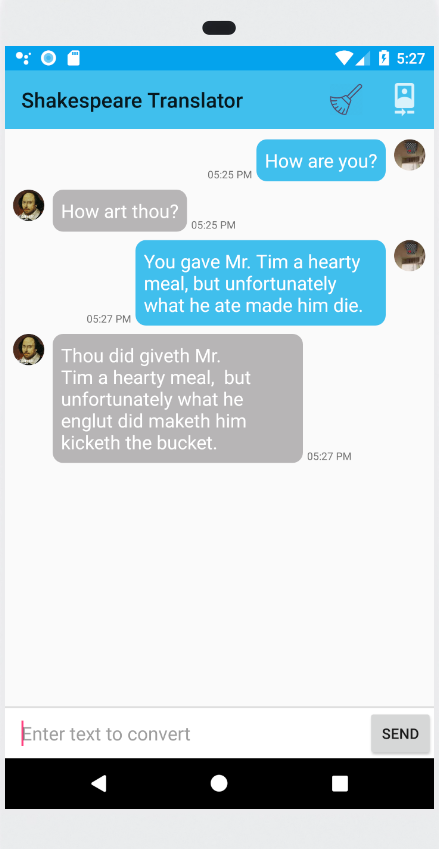
Shakespeare Translator is ideal if you want a premium Android app that can translate everyday English text into Shakespearean language and vice versa. It offers a distinctive user interface where users must send their texts in order for them to be converted into SMS. The translated phrase is returned in the same format, which is an SMS.
It has a simple and user-friendly interface, making it the ideal Shakespearean language translator. It allows customers to utilize their smartphones for on-the-go translations rather than their desktop computers. Also, note that it is a paid translator tool, and the quality can be trusted.
However, the biggest drawback of using Shakespeare Translator is that you cannot copy and paste the text into the tool directly.
Visit the Play Store to download the app.
3. LingoJam
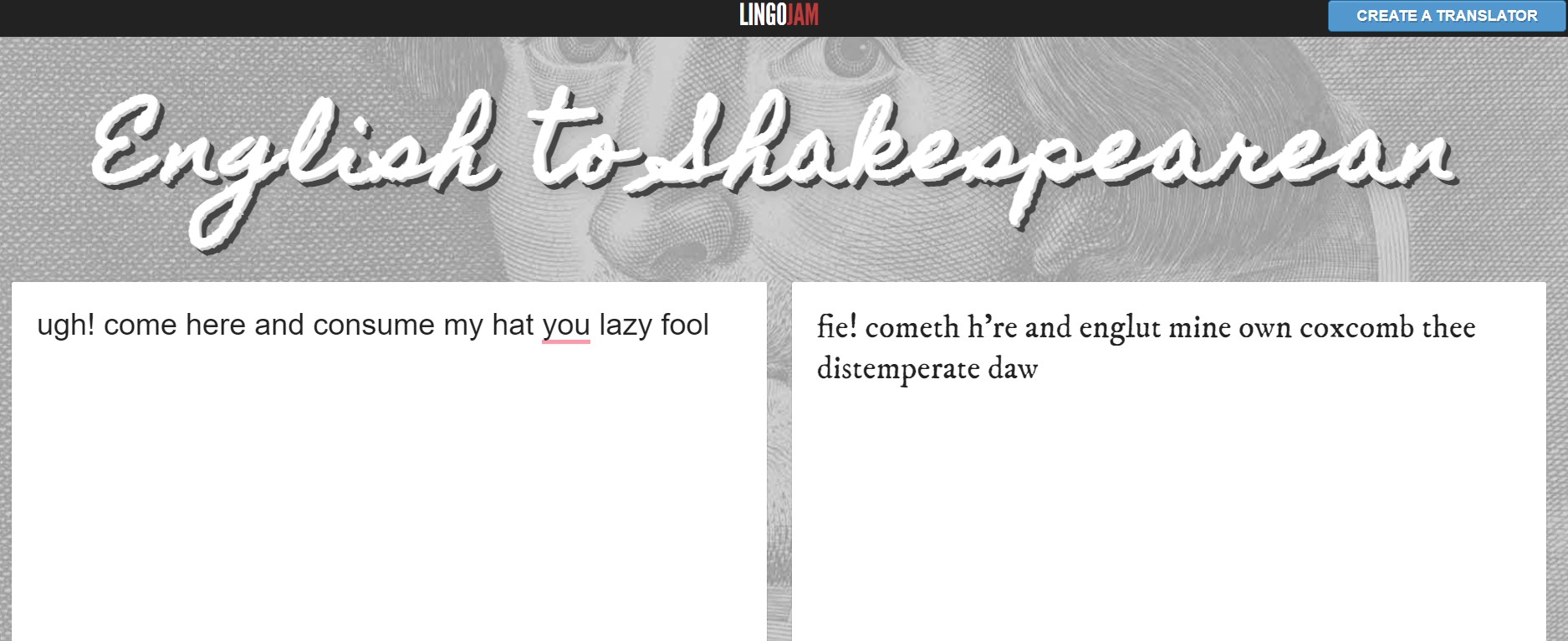
Lingojam is also one of the best Shakespeare Translators for English Literature students. The user interface is simple and it is free. When you access the website, you will see two windows. The left window is only for the English language, whereas the right side also includes the Shakespearean language.
You can also translate Shakespeare into English and Shakespeare into English. It also provides other translators, which include Yoda Translator, English to Ned Flanders, Numbers To Words, Morse Code Translator, Cursive Text, Old English Translator, Fancy Text Generator, and Wingdings Translator.
Another unique feature of the tool is the inclusion of text generators such as Text Generator, Vaporwave Text Generator, Glitch Text Generator, Robot Voice Generator, Zalgo Text, Aurebesh Translator, etc.
Visit LingoJam.com
4. Fun Translation
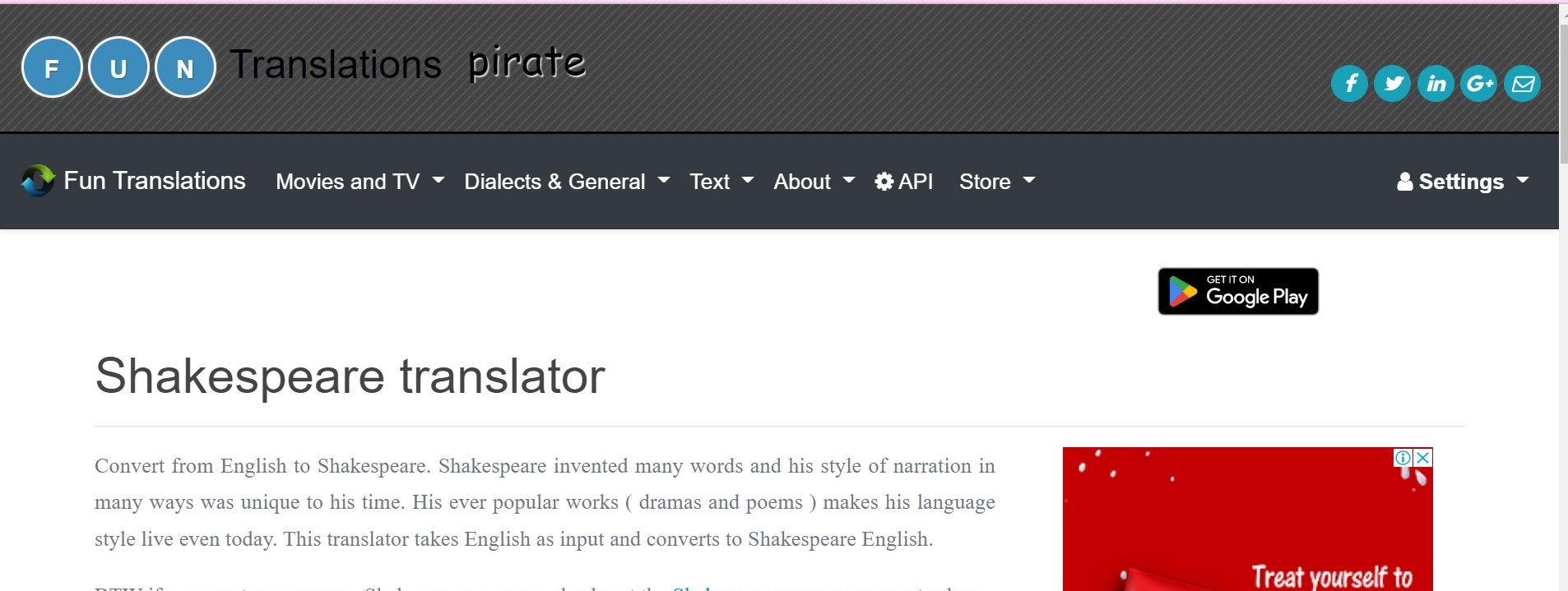
Playful Translation Fun Translation is another best yet free Shakespeare translator tool.
The user interface is clear and simple, and allows you to type or paste sentences. In order to translate into Shakespeare English.
With a single click of the Translate button, the copied or written text is translated into Shakespearean English.
Another interesting thing about the tool is that you can copy and paste the translation code to embed it on your blog or website.
It also has a Shakespeare Name Generator and Shakespeare Insult Generator, and you can even try them out for free.
Visit FunTranslation.com
5. Babylon Translator | Shakespeare Translator
Babylon Translator is another good Shakespeare translation tool that translates to modern English and several other languages. Such as German, Spanish, and French.
Babylon translator’s speed is extremely fast, and it can also translate any text length with a single tap. Recently, the translation application added an offline feature that allows it to function even without internet access.
All of the functions in Babylon Translator are also free to use. Some functions and languages, however, require in-app payments.
Download Babylon Translator on Playstore for Android.
6. LitCharts
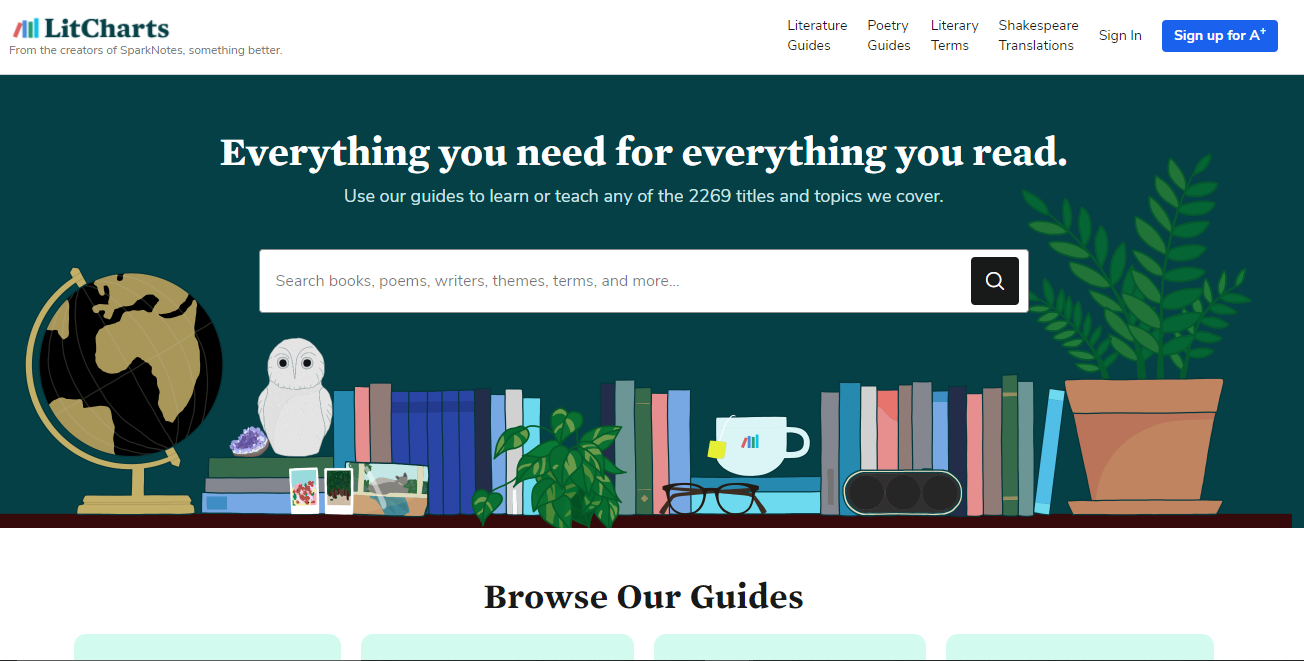
Another useful Shakespearean translation tool is LitCharts, which focuses on making users self-sufficient in learning the language. The site is especially popular among students who study Shakespearean plays as part of their academic curriculum. LitCharts will also provide you with poetry books, gadgets, and writing tutorials to assist you in practicing Shakespearean English.
The application also allows users to download workbooks and other literary materials. Please be aware that while LitCharts is initially free to use, some study materials must be purchased from the site.
Visit LitCharts.com
7. YourDictionary /Shakespeare Translators
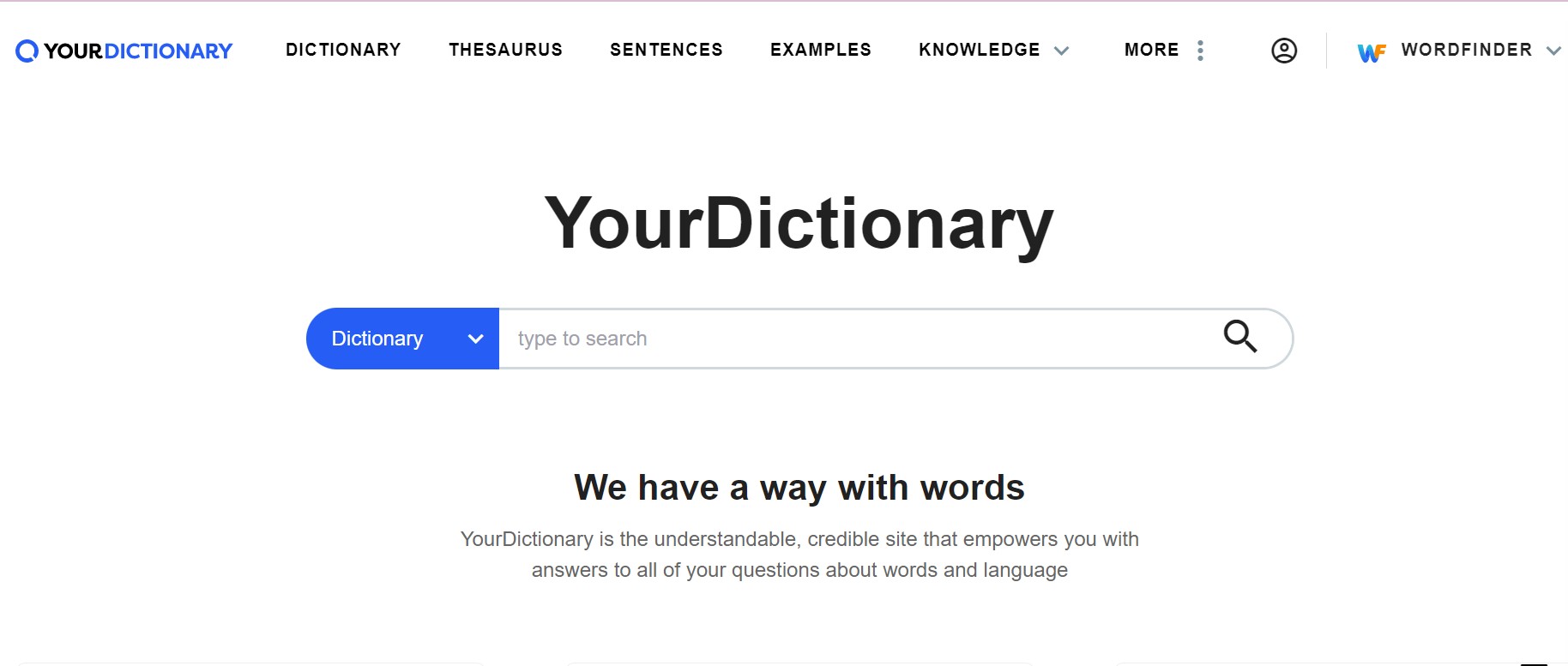
Our next addition is simply a translator/dictionary for Shakespearean English. YourDictionary is often used to translate Shakespearean English and look up the meanings of famous phrases and lines from Shakespeare’s works. The website displays many translation options for a text entered for translation. It is mostly similar to Thesaurus.
Furthermore, YourDictionary has a clean and well-managed interface.
It is also one of the best Shakespeare translation tools; give it a try if you want a flawless translation experience.
8. Shmoop
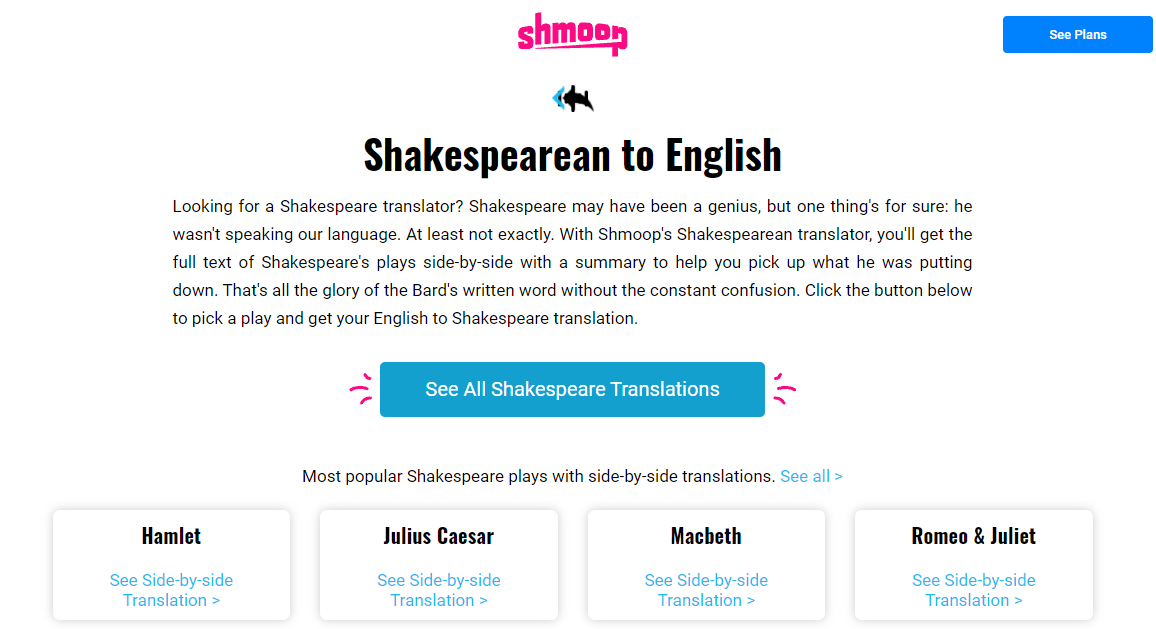
Shmoop is another well-known platform I’d like to mention. You will have little trouble translating Shakespeare’s writings into modern English. All of your typed English will subsequently be translated into Shakespearean English. Aside from translation, it also provides eLearning, Teacher Tools, Test Prep, Courses, Case Studies, and Essay Help.
Also, you do not need to log in to access the Shakespeare to English translator. However, some free features, such as Student Resources, Teacher Resources, Videos, Study Guides, College Prep, and Life Prep, require registration. Shmoop’s drawback is that it may not be authentic Early Modern English.
9. No Sweat Shakespeare
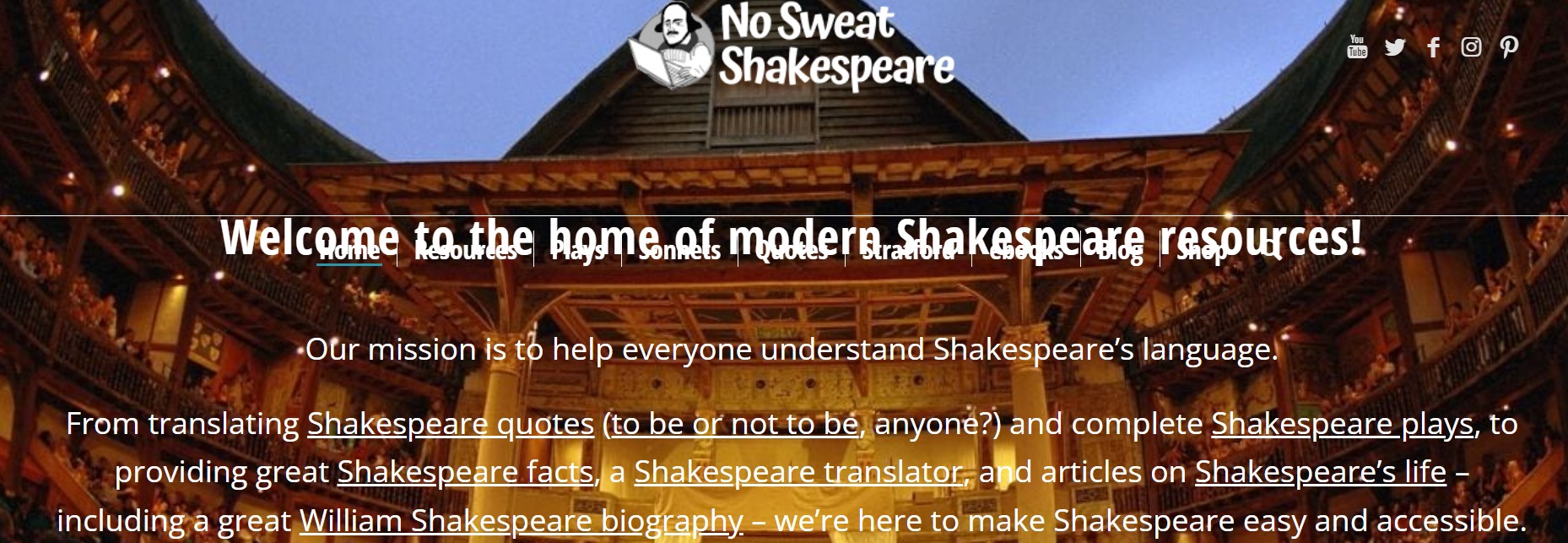
Shakespeare’s online translations are compiled on this page. It instantly transforms both modern English and Shakespearean English. Want to translate Shakespeare on the go? Shakespeare can be read on iPhone and Android devices thanks to this iTunes app. The objective is to make Shakespeare comprehensible to all generations.
Shakespeare’s words are made clearer and more approachable with the help of this app, which also includes extensive games, trivia, and information about his career. Here you can learn about pentameters and how to write a sonnet.
10. Speak Like Shakespeare
Speak Like Shakespeare is a free Android software that converts modern English into Shakespearean English. One of the best aspects of this application is that no registration is required. The app’s user interface is clean and simple, yet it contains advertisements.
According to user evaluations, the program quickly translates big sentences, phrases, and quotes. The app’s algorithm ensures that the translation is error-free. It is also one of the best apps on the list.
Download Speak like Shakespeare on Playstore.
11. Shakespeare Translator
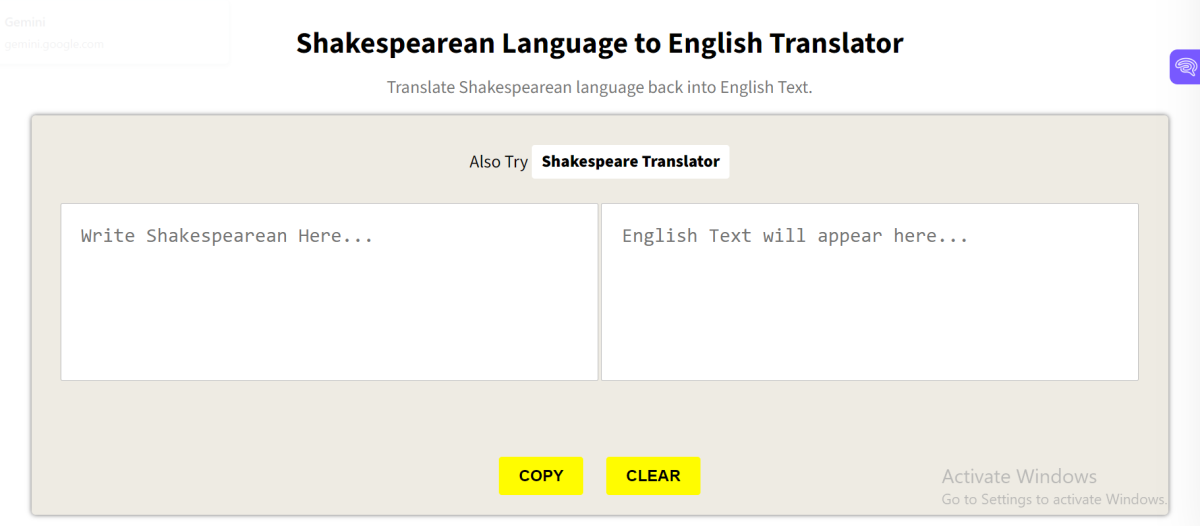
A Shakespearean Translator is a digital platform aimed at converting our modern English into old Shakespearean English. This translator assists users to familiarise themselves with Shakespeare’s distinctive vocabulary, idiomatic expressions, and grammatical structures.
It’s very beneficial for academics, professors, actors, and poets who are interested in exploring Shakespeare’s texts in an intricate way. All you have to do is input modern English phrases and you will find translations that are identical to the poetic and particularly sophisticated style of Shakespeare’s texts.
Check out the Shakespearean to English Translator.
12. Sentence Counter’s Shakespearean Translator
This English-to-Shakespearean translator by Sentence Counter lets users discover content by intricately analysing the nature of modern language. Shakespeare was the inventor of a lot of words and his narration technique was innovative at his era. You can get clever translations of his poems and literary texts from the free and fast tool.
Other Good Shakespeare Translators include:
11. Shakespeare English Vs Modern English
12. Shakespeare Insult Translator
15. Free Shakespeare Translator – Aichalet
Read Also : Top 12 Old English Translator Websites and Tools
Top categories & recommended picks
Below are the best choices by use case — each entry describes what it does, why it’s useful, and who should try it.
1. Best for students: Line-by-line modernizers with study notes
Why: Students need fast comprehension plus context. The ideal tool shows original and modern text side-by-side and explains tricky lines.
What to expect: chapter summaries, character breakdowns, and quick quizzes.
Who should use: high-school and undergrad students prepping essays or exams.
2. Best for teachers & lesson planning: Annotated platforms with exportable materials
Why: Teachers want reliable notes, flexible lesson exports, and classroom management features.
What to expect: printable handouts, lesson templates, and class-wide assignment tools.
Who should use: secondary and tertiary educators.
3. Best for actors & directors: Meter-aware and pronunciation tools
Why: For performance work you need rhythm, stress, and options for alternate readings.
What to expect: scansion visualizers, IPA help, and rehearsal mode (line prompts).
Who should use: actors, dramaturgs, and directors.
4. Best mobile app: On-the-go modernizations with offline reading
Why: Quick lookups while reading or rehearsing.
What to expect: clean UI, searchable play texts, and bookmarkable passages.
Who should use: commuters, students, and performers.
5. Best API & advanced users: Programmable modernization + NLP tools
Why: Researchers, app builders, and curriculum developers might need programmatic access to modernization or annotation features.
What to expect: endpoints for text modernization, scansion, and named-entity tagging.
Who should use: developers, digital humanists, and institutions.
How to evaluate a translation’s quality (checklist)
-
Does the translation keep the poetic function (imagery, tone, humor) or only the words?
-
Are archaic pronouns and verb endings sensibly modernized (e.g., “thou” → “you” with care)?
-
Are double meanings and puns explained? Good tools flag them.
-
Does the tool provide scansion or rhythm notes for verse lines?
-
Is the tool transparent about human editing vs. automated output?
Sample workflow: From confusion to clarity in 5 minutes
-
Paste a passage into a line-by-line modernizer.
-
Skim the modernized text to capture the gist.
-
Read the original aloud while watching the scansion overlay.
-
Check annotations for historical references and wordplay.
-
Make notes or export the passage for study or rehearsal.
This workflow keeps you anchored to Shakespeare’s language while minimizing time wasted puzzling over single words.
FAQs
Q: Can a machine translator fully replace a scholarly edition?
A: No. Machine and app translators are excellent for comprehension and rehearsal, but scholarly editions contain critical apparatus, textual variants, and in-depth commentary that machines can’t yet fully reproduce.
Q: Will modernizing Shakespeare ruin the poetry?
A: It can—if done aggressively. The best practice is to use modernizations as scaffolding: understand the meaning first, then return to the original to appreciate poetic devices.
Q: Are these tools useful for non-English speakers?
A: Yes. Modernizers can be combined with multilingual translation tools for learners whose primary language isn’t English. But watch out—idioms and poetic phrasing rarely survive a straight machine translation.
Q: Can I use these tools for school essays?
A: Use them to clarify meaning, but always cite and quote the original text in academic work. Check your institution’s policy on using AI or automated help.
How accurate are Shakespearean translators?
It used to be very difficult to translate Shakespeare’s iambic pentameter, but these translation tools have been a game-changer. The fact that Shakespeare wrote in such a way that the themes of his literary works are highly adaptable, regardless of language or culture, is a plus for these tools.
Can ChatGPT translate Shakespearean English?
Yes, ChatGPT can assist with real-time translations of Shakespearean texts. All you have to do is input the text you want to translate into the chat box.
Conclusion
Shakespeare’s language is richly compact and endlessly surprising. Modern translators and apps lower the barrier to entry so more people can enjoy, perform, and teach the plays — but they’re best used alongside the original text and good scholarship. Use digital tools to illuminate, not to erase, and you’ll get the best of both worlds: clarity and lyricism.
That’s all on the best Shakespeare Translators. Hope this article was helpful! Now you can read any of your Shakespeare texts and poems with ease. Do well to LIKE, SHARE, AND COMMENT.
Recommended:
Where Did Hamlet Go To School (Shakespeare’s Hamlet)
Top 14 Old English Translator Websites and Tools
What is interdisciplinary studies? (All the Info, Requirements & Alternatives)
Hebrew Symbols and Meaning (Alphabets & Numerical Values)
Leave a Reply
You must be logged in to post a comment.