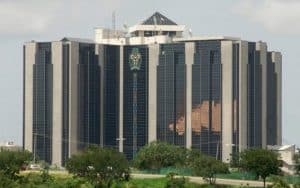
The current governor of the Central Bank of Nigeria is Dr. Olayemi Cardoso. He took office on 22 September 2023 and was confirmed by the Senate the following day for a five-year term. Cardoso is the 12th substantive governor and follows a line that began with Briton Roy Pentelow Fenton in 1958. Below is the full list of every CBN governor, with tenures and short biographies.
RELATED: List of Inspectors General of Police in Nigeria From 1964 Till Date
The mandate of the Central Bank of Nigeria (CBN) is derived from the 1958 Act of Parliament, as amended in 1991, 1993, 1997, 1998, 1999 and 2007.
The CBN Act of 2007 charges the bank with the overall control and administration of the monetary and financial sector policies of the Federal Government.
The objects of the CBN are as follows:
- ensure monetary and price stability;
- issue legal tender currency in Nigeria;
- maintain external reserves to safeguard the international value of the legal tender currency;
- promote a sound financial system in Nigeria; and
- act as banker and provide economic and financial advice to the Federal Government.
The bank also administers the Banks and Other Financial Institutions Act (BOFIA, 1991) as amended, ensuring high standards of banking practice and financial stability through surveillance and an efficient payment system.
In addition to its core functions, the CBN has, over the years, performed developmental functions across the financial, agricultural, and industrial sectors of the Nigerian economy.
Lists of CBN Governors From 1958 till Today
| Governor | Previous position | Term start | End |
|---|---|---|---|
| Roy Pentelow Fenton | 24 July 1958 | 24 July 1963 | |
| Aliyu Mai-Bornu | Deputy Governor, CBN | 25 July 1963 | 22 June 1967 |
| Clement Nyong Isong | Advisor, International Monetary Fund | 15 August 1967 | 22 September 1975 |
| Adamu Ciroma | 24 September 1975 | 28 June 1977 | |
| Ola Vincent | Deputy Governor, CBN | 28 June 1977 | 28 June 1982 |
| Abdulkadir Ahmed | Deputy Governor, CBN | 28 June 1982 | 30 September 1993 |
| Paul Agbai Ogwuma | CEO, Union Bank of Nigeria | 1 October 1993 | 29 May 1999 |
| Joseph Oladele Sanusi | CEO, First Bank of Nigeria | 29 May 1999 | 29 May 2004 |
| Charles Chukwuma Soludo | Chief Executive, National Planning Commission | 29 May 2004 | 29 May 2009 |
| Sanusi Lamido Aminu Sanusi | CEO, First Bank of Nigeria | 3 June 2009 | 20 February 2014 |
| Sarah Alade (Acting) | Deputy Governor, Central Bank of Nigeria | 20 February 2014 | 3 June 2014 |
| Godwin Emefiele | Chief Executive Officer, Zenith Bank | 3 June 2014 | 9 June 2023 |
| Folashodun Adebisi Shonubi (Acting) | Deputy Governor, Central Bank of Nigeria | 9 June 2023 | 15 September 2023 |
| Olayemi Cardoso | Chairman, Citibank Nigeria; Commissioner for Economic Planning and Budget, Lagos State | 22 September 2023 | Incumbent |
- R. P. Fenton (1958–1963)
- Aliyu Mai-Bornu (1963–1967)
- Clement N. Isong (1967–1975)
- Adamu Ciroma (1975–1977)
- Ola Vincent (1977–1982)
- Abdulkadir Ahmed (1982–1993)
- Paul Agbai Ogwuma (1993–1999)
- Joseph Oladele Sanusi (1999–2004)
- Charles Chukwuma Soludo (2004–2009)
- Sanusi Lamido Sanusi (2009–2014)
- Sarah Alade — Acting (Feb 2014 – June 2014)
- Godwin Emefiele (June 2014 – June 2023)
- Folashodun Adebisi Shonubi — Acting (June 2023 – Sept 2023)
- Olayemi Cardoso (Sept 2023 – Incumbent)
Roy Pentelow Fenton
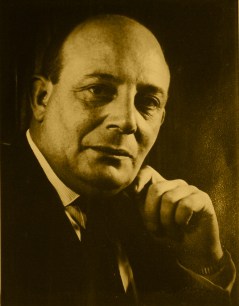 Roy Pentelow Fenton was the first governor of the Central Bank of Nigeria, serving from 24 July 1958 to 24 July 1963. He was British, drawn from the Bank of England, and ran the CBN through the early years of independence.
Aliyu Mai-Bornu
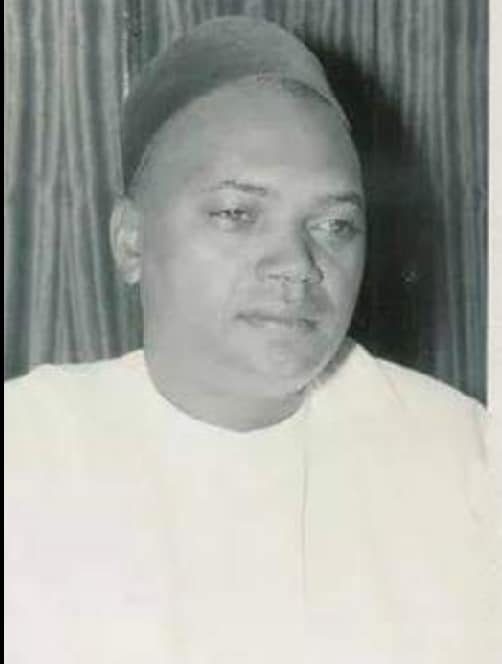
Mallam Aliyu Mai-Bornu served as governor from 25 July 1963 to 22 June 1967 — the first Nigerian governor of the CBN. An indigene of Adamawa State, he studied economics at the University of Bristol, joined the Northern Nigerian Public Service as administrative secretary, then moved to the CBN in 1959, rising to deputy governor before his appointment.
Mai-Bornu was named Director and General Manager of the Nigerian Tobacco Company (1967–1969) after leaving the bank and remained on the board until his death on 23 February 1970. The N1,000 note that entered circulation on 12 October 2005 carries his portrait.
Clement Nyong Isong
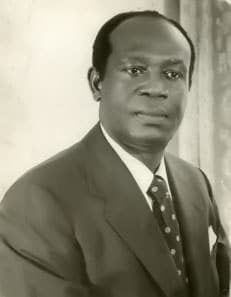
Clement Isong served as the 2nd Nigerian governor from 15 August 1967 to 22 September 1975, appointed by General Yakubu Gowon. He steered the naira through the civil war years and the subsequent oil boom.
Isong died on 29 May 2000. The N1,000 note in circulation since 12 October 2005 carries his portrait alongside Mai-Bornu’s.
Adamu Ciroma
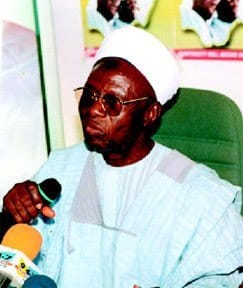
Adamu Ciroma served as the 3rd Nigerian governor from 24 September 1975 to 28 June 1977 before moving into politics. He became a foundational member of the People’s Democratic Party (PDP) and held the Finance ministry portfolio under President Obasanjo from 1999 to 2003. His wife, Maryam Ciroma, chaired PDP’s National Women.
Ola Vincent
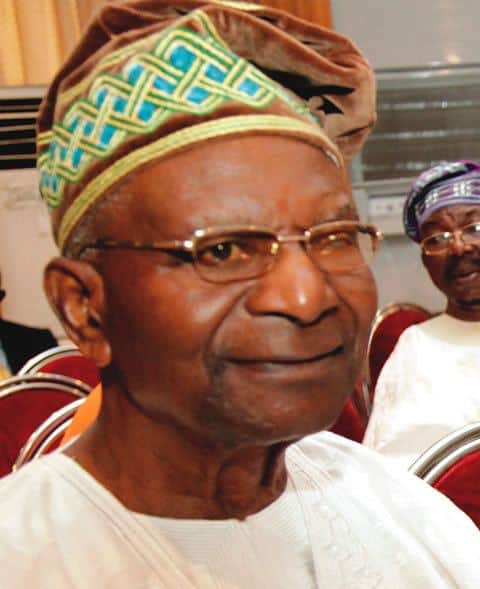
Olatunde Olabode Vincent served as the 4th Nigerian governor from 28 June 1977 to 28 June 1982. He briefly worked at the Federal Ministry of Finance before joining the CBN in 1963 and was appointed governor under General Obasanjo’s military regime in 1977.
Abdulkadir Ahmed
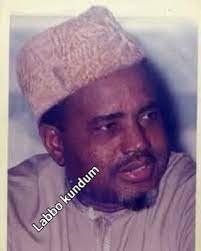
Abdulkadir Ahmed served as the 5th Nigerian governor from 28 June 1982 to 30 September 1993 — the longest-serving CBN governor on record at 11 years. Appointed by President Shehu Shagari, he stayed in office through three military regimes before being removed by the Abacha government.
Paul Agbai Ogwuma
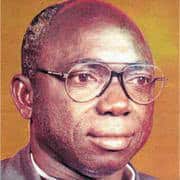
Paul Agbai Ogwuma served as the 6th Nigerian governor from 1 October 1993 to 29 May 1999, having previously been managing director of Union Bank of Nigeria. His tenure overlapped with the Abacha years and was marked by controversies over fund mismanagement, though he is credited with introducing the Nigeria Automated Clearing System (NACS).
Joseph Oladele Sanusi
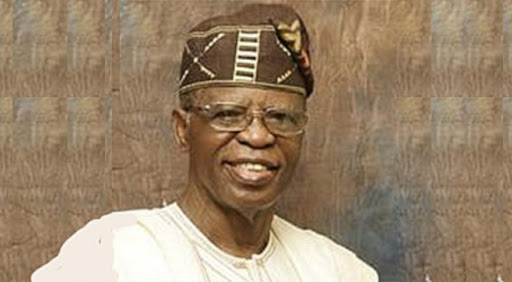
Chief Joseph Oladele Sanusi served as the 7th Nigerian governor from 29 May 1999 to 29 May 2004, appointed by President Olusegun Obasanjo. Known as a conservative banker, he started the foreign-exchange control policy and the “defend the naira” intervention. He resigned in May 2004.
Charles Chukwuma Soludo
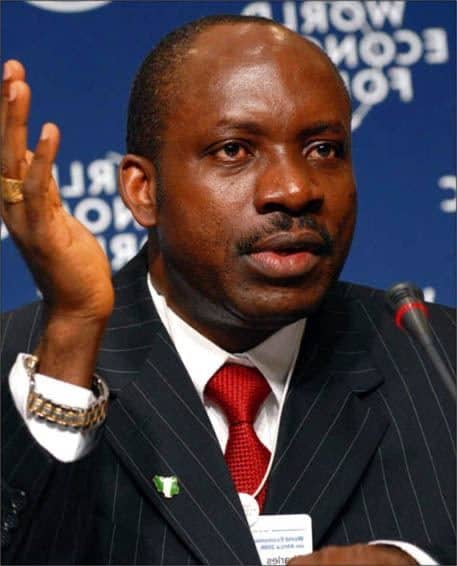
Professor Charles Chukwuma Soludo served as the 8th Nigerian governor from 29 May 2004 to 29 May 2009. As Chief Economic Adviser and head of the National Planning Commission before his appointment by President Obasanjo, Soludo drove the 2005 banking consolidation that cut Nigeria’s commercial banks from 89 to 25 through a N25 billion minimum capital rule. He is now the governor of Anambra State.
Sanusi Lamido Sanusi
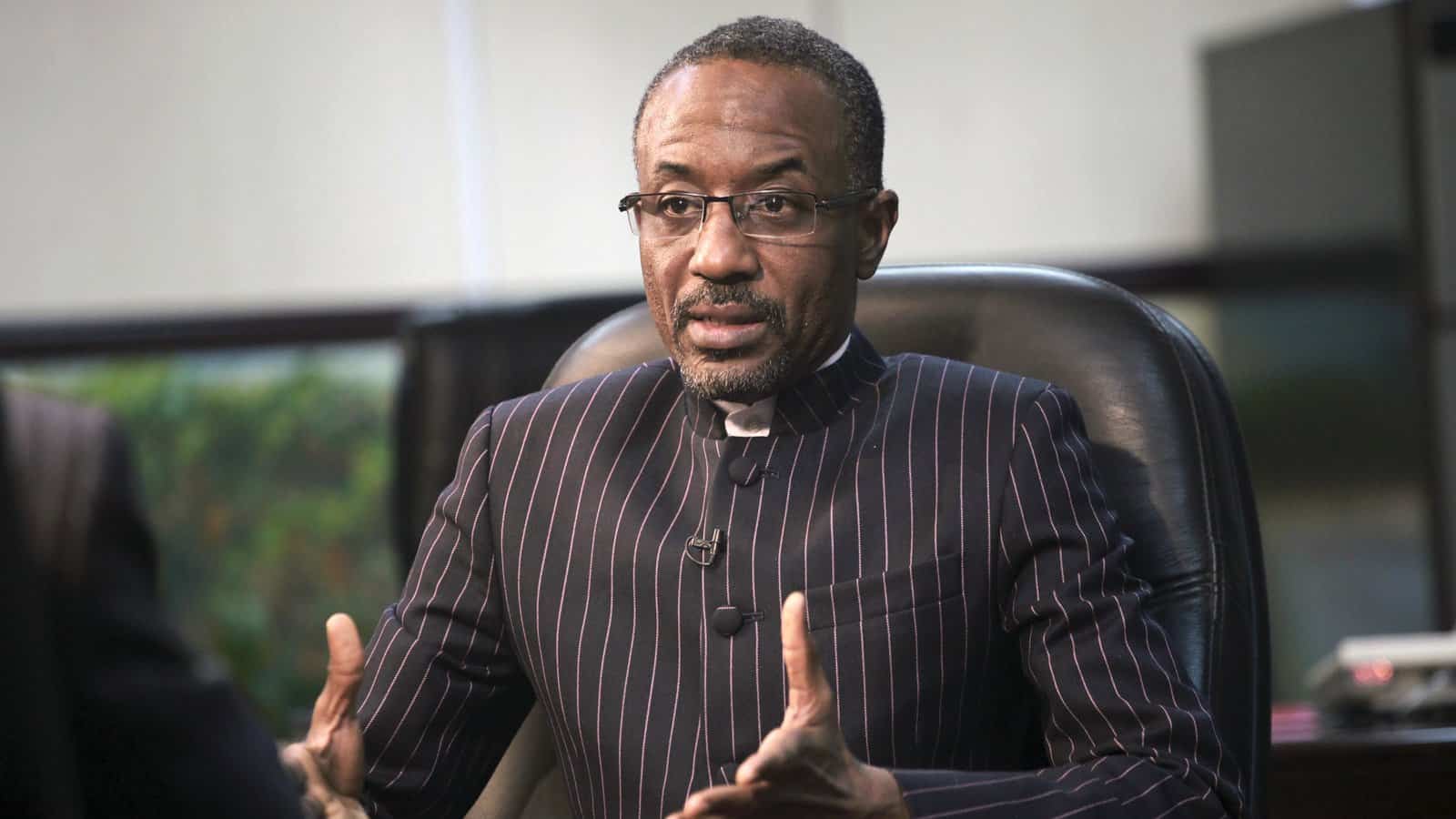
Sanusi Lamido Sanusi served as the 9th Nigerian governor from 3 June 2009 to 20 February 2014. Appointed by President Umaru Musa Yar’Adua, he introduced the cashless policy that anchors Nigeria’s digital-payments economy today. He was suspended by President Goodluck Jonathan after publicly questioning missing oil revenue at the NNPC.
Sanusi is the 14th Emir of Kano (Dabo dynasty), born in 1961, and ascended the throne on 8 June 2014 before being deposed by the Kano State government on 9 March 2020. He was reinstated as Emir on 23 May 2024.
Sarah Alade

Sarah Alade served as acting governor from 20 February 2014 to 3 June 2014 after Sanusi’s suspension by President Goodluck Jonathan. Previously deputy governor in charge of economic policy, she is the first woman to head the Central Bank of Nigeria.
Godwin Emefiele
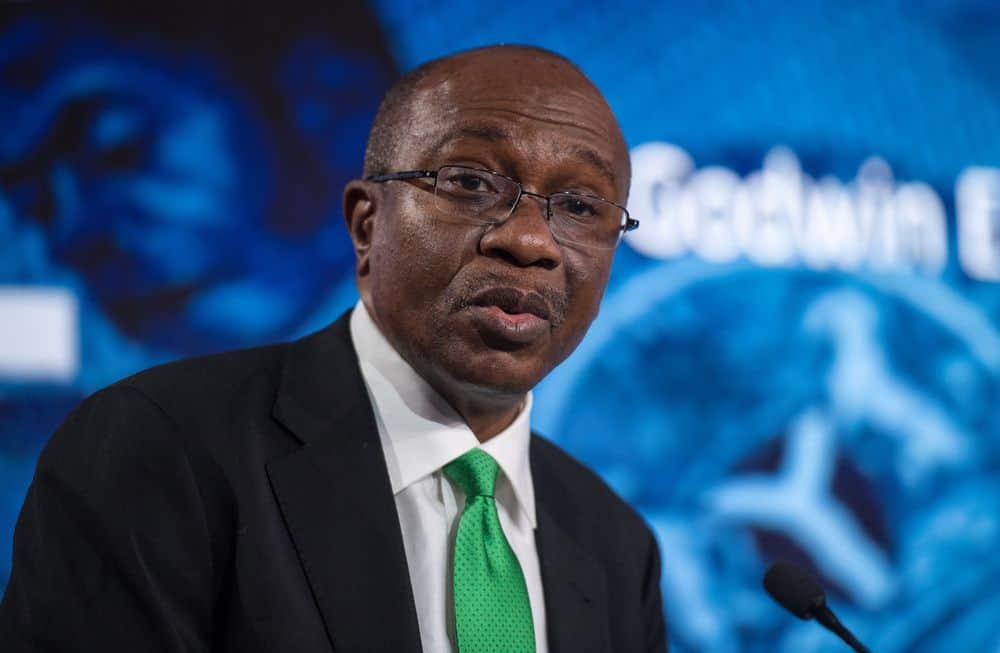
Godwin Ifeanyi Emefiele CFR, born 4 August 1961, served as governor from 4 June 2014 until his suspension by President Bola Tinubu on 9 June 2023. He oversaw an interventionist FX strategy, pushing billions of dollars into the official market, and operated a multiple exchange-rate regime that hid mounting pressure on the naira.
Emefiele was re-appointed for a second five-year term by the Senate in 2019 — the first CBN governor to serve two consecutive terms since the return to democracy in 1999. After his exit, he faced charges over alleged abuse of office; legal proceedings continued through 2024 and 2025.
Folashodun Adebisi Shonubi
Folashodun Adebisi Shonubi was appointed acting governor by President Tinubu on 9 June 2023 after Emefiele’s suspension. He served until Olayemi Cardoso’s nomination took effect on 22 September 2023. A career banker, Shonubi was previously CBN deputy governor for operations and CEO of the Nigeria Inter-Bank Settlement System (NIBSS).
Dr. Olayemi Cardoso
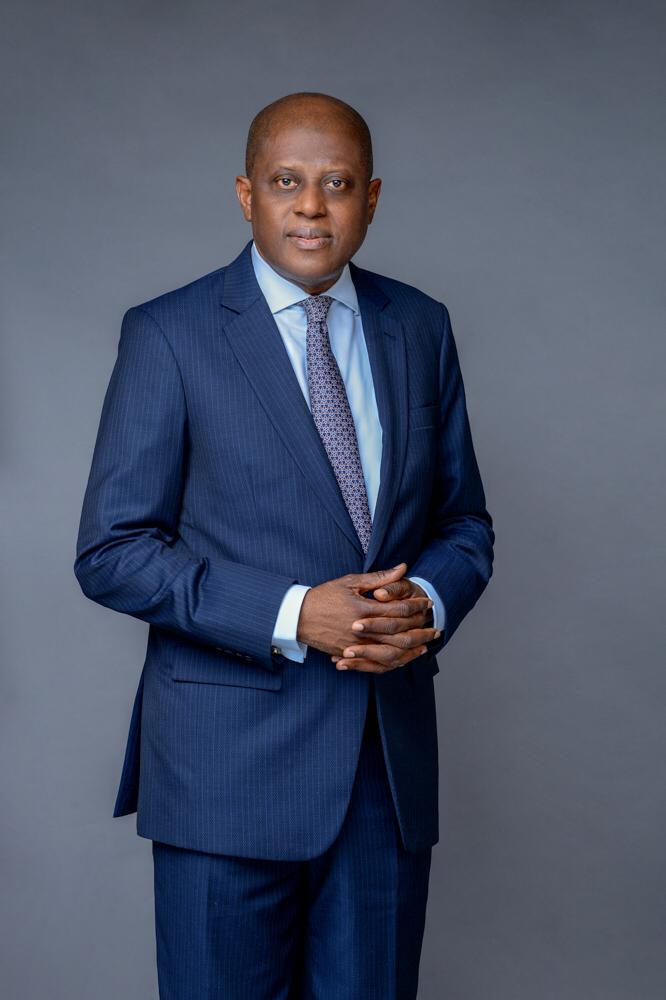
Dr. Olayemi Michael Cardoso was nominated by President Bola Ahmed Tinubu and assumed office as Governor of the Central Bank of Nigeria on 22 September 2023. The Nigerian Senate confirmed him for a five-year term on 23 September 2023.
Cardoso brings almost three decades of management experience as an economic and development policy advisor, former Chairman of Citibank Nigeria, and Commissioner for Economic Planning and Budget in Lagos State. He holds a degree in managerial and administrative studies from Aston University, Birmingham, and a Master of Public Administration from the Harvard Kennedy School.
Cardoso era — key actions and outcomes:
- FX unification: Collapsed multiple exchange-rate windows into a single willing-buyer/willing-seller market in 2024. By the end of 2025, the gap between official and parallel rates had narrowed from about 60% to roughly 2%.
- Monetary tightening then easing: Raised the Monetary Policy Rate (MPR) progressively to 27.5% by late 2024 to tame inflation, then cut it 50 basis points to 26.5% at the 304th MPC meeting on 23–24 February 2026 — the first cut of the Cardoso era.
- Inflation trajectory: Headline inflation eased to 15.10% in January 2026 from 15.15% in December 2025, the 11th straight monthly decline. CBN targets single-digit inflation in the medium term.
- Cash Reserve Requirement: Set at 45% for deposit money banks and 16% for merchant banks.
- Recognition: Named African Banker Central Bank Governor of the Year for 2025. Fitch, Moody’s, and S&P all upgraded Nigeria’s sovereign rating during his tenure.
- 2026 agenda: Four pillars — price stability, financial system resilience, institutional credibility, and inclusive growth — anchoring the country’s $1 trillion-economy goal.
Frequently Asked Questions
Who is the current CBN governor in Nigeria?
Dr. Olayemi Cardoso. He has held the office since 22 September 2023 and was confirmed by the Senate the following day for a five-year term.
How many CBN governors has Nigeria had?
Fourteen people have led the CBN since 1958 — twelve substantive governors and two acting governors (Sarah Alade in 2014 and Folashodun Shonubi in 2023).
Who was the first Nigerian governor of the CBN?
Aliyu Mai-Bornu. He served from 25 July 1963 to 22 June 1967, succeeding the British inaugural governor Roy Pentelow Fenton.
Who was the longest-serving CBN governor?
Abdulkadir Ahmed, who held the post for 11 years from 28 June 1982 to 30 September 1993.
Who is the first female CBN governor?
Sarah Alade, who served in an acting capacity from 20 February to 3 June 2014.
What is the current MPR in Nigeria?
The Monetary Policy Rate stands at 26.5% after the 50-basis-point cut announced on 24 February 2026 at the 304th MPC meeting.
What is the term length for a CBN governor?
Five years, renewable once for another five-year term, under the CBN Act 2007.
Thanks for responded