Hamlet attended the University of Wittenberg in Saxony, Germany. Shakespeare picks that detail on purpose: Wittenberg was Europe’s hub for Protestant theology and dangerous new ideas, and it tells you a lot about who Hamlet is.
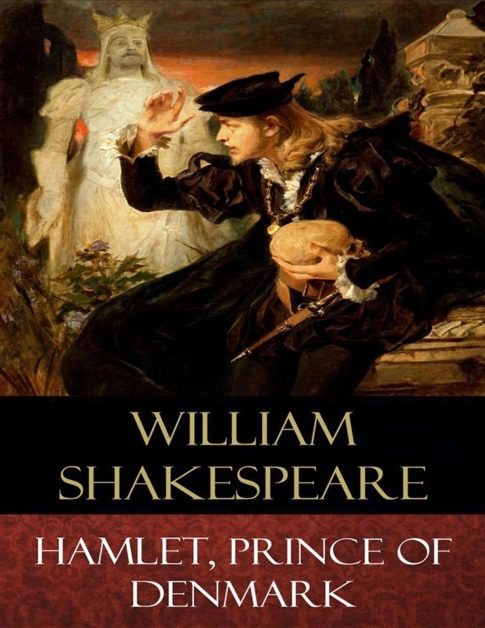
Where Did Hamlet Go to School?
Hamlet is a student at the University of Wittenberg in Wittenberg, a small city in modern-day Saxony-Anhalt, Germany, on the Elbe River. His friend Horatio is a fellow student there. The play opens with Hamlet wanting to return to Wittenberg after his father’s funeral, and his uncle Claudius forbidding him to leave Denmark.
Why Wittenberg Matters
Shakespeare wrote Hamlet around 1600. By that point Wittenberg had a reputation his audience would have recognized instantly:
- Martin Luther nailed his 95 Theses to the door of the Castle Church in Wittenberg in 1517, sparking the Protestant Reformation.
- Johann Faust, the historical figure behind Christopher Marlowe’s Doctor Faustus (1592), studied there.
- The university was a center of independent thought and Renaissance humanism.
So when Claudius tells Hamlet to skip Wittenberg and stay in Denmark, the audience hears two things at once: Claudius wants Hamlet where he can watch him, and Claudius does not want Hamlet exposed to ideas that might threaten the throne.
CLAUDIUS: For your intent
In going back to school in Wittenberg,
It is most retrograde to our desire.
GERTRUDE: I pray thee, stay with us, go not to Wittenberg.
HAMLET: I shall in all my best obey you, madam. (1.2.115–123)
Who Is Hamlet?
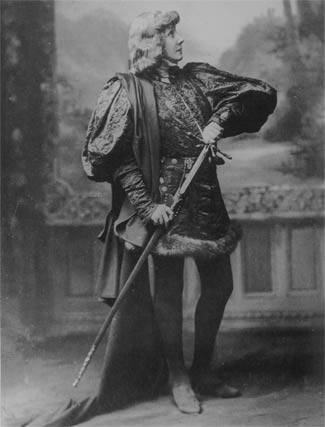
Hamlet is the Prince of Denmark and the play’s main character. His father, the king, has just died. His uncle Claudius has taken the throne and married his mother Gertrude. The ghost of the dead king tells Hamlet that Claudius poisoned him, and asks Hamlet to take revenge.
Hamlet spends the play stalling, faking madness, and questioning whether revenge is justified. By the final scene, Polonius, Ophelia, Laertes, Rosencrantz, Guildenstern, Gertrude, Claudius, and Hamlet himself are all dead.
How Old Is Hamlet?
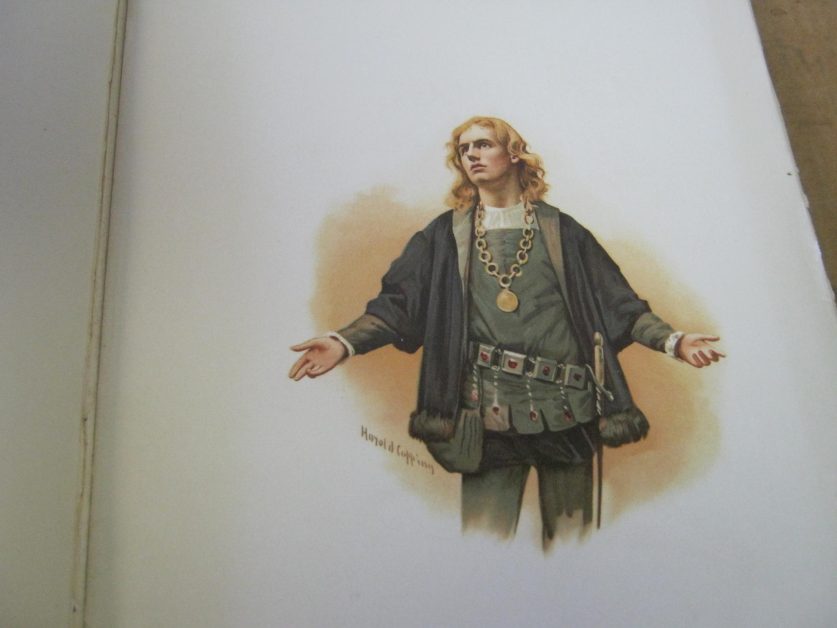
The play gives two contradictory answers. In Acts I–IV he reads as a young university student in his late teens or early twenties — the same age as Horatio, Laertes, and Ophelia. But in Act V, the gravedigger says he has been a sexton for 30 years, starting on the day “young Hamlet was born.” That makes Hamlet exactly 30.
Most scholars accept the Act V answer for the play’s published timeline. Shakespeare may have aged the character to match Richard Burbage, the actor playing him, or simply not minded the inconsistency.
Where Is Hamlet Set?
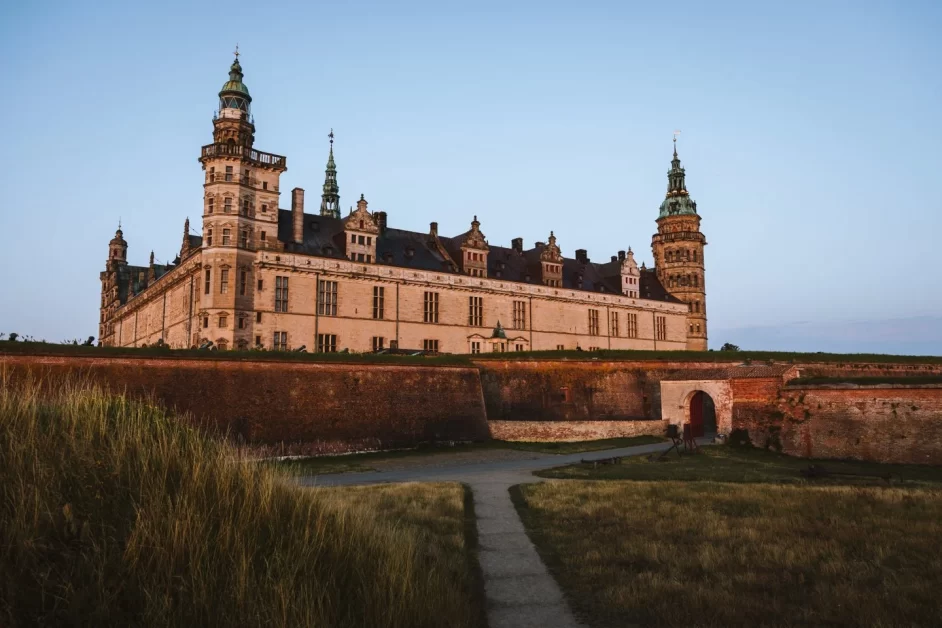
Most of the action takes place at Elsinore — the English name for Helsingør, a real Danish coastal town about 28 miles north of Copenhagen. The castle Shakespeare had in mind is Kronborg, which still stands and is a UNESCO World Heritage site. A few scenes move to a “plain in Denmark” and to a graveyard, but Elsinore is the play’s claustrophobic center.
Shakespeare drew the underlying story from a 12th-century Danish legend about a prince named Amleth, recorded in Saxo Grammaticus’s Gesta Danorum and retold in François de Belleforest’s Histoires Tragiques (1570).
Who Wrote Hamlet, and When?

William Shakespeare wrote Hamlet between 1599 and 1601. The first known performance was in 1600 or 1601 by the Lord Chamberlain’s Men at the Globe Theatre. The play was entered in the Stationers’ Register in 1602, printed in a short “bad quarto” in 1603, and reissued in a longer authoritative version (the Second Quarto) in 1604.
FAQ
Did Hamlet really love Ophelia?
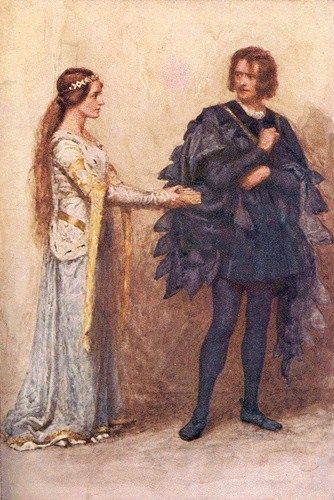
Yes — though he treats her cruelly to maintain his “antic disposition.” His grief at her grave (“I loved Ophelia. Forty thousand brothers / Could not, with all their quantity of love, / Make up my sum”) is the play’s clearest answer.
Why does Claudius send Hamlet to England?
After Hamlet kills Polonius, Claudius uses the killing as cover to ship Hamlet abroad — officially for his safety, secretly with sealed orders for the English king to execute him on arrival. Hamlet swaps the letter and turns the trap on Rosencrantz and Guildenstern.
Was the University of Wittenberg a real school?
Yes. Founded in 1502, it merged with the University of Halle in 1817 to form what is now Martin Luther University Halle-Wittenberg, still operating today.
Is Hamlet based on a true story?
The plot is fictional, but the source legend of Prince Amleth comes from a real medieval Scandinavian text. The character is invention; the setting at Kronborg/Elsinore and the link to Wittenberg are deliberate borrowings from real places.
Leave a Reply
You must be logged in to post a comment.