Becoming a CRNA in Texas now requires a doctoral degree — either a DNP (Doctor of Nursing Practice) or DNAP (Doctor of Nurse Anesthesia Practice). The Council on Accreditation phased out master’s-level entry on January 1, 2025, so every Texas program below leads to a doctorate. Six schools are currently accredited; a seventh, the University of the Incarnate Word, expects to enroll its first class in Fall 2026 pending COA approval. Comparing options outside the state too? A national CRNA schools directory lists 150+ accredited nurse anesthesia programs by state with costs and acceptance rates.
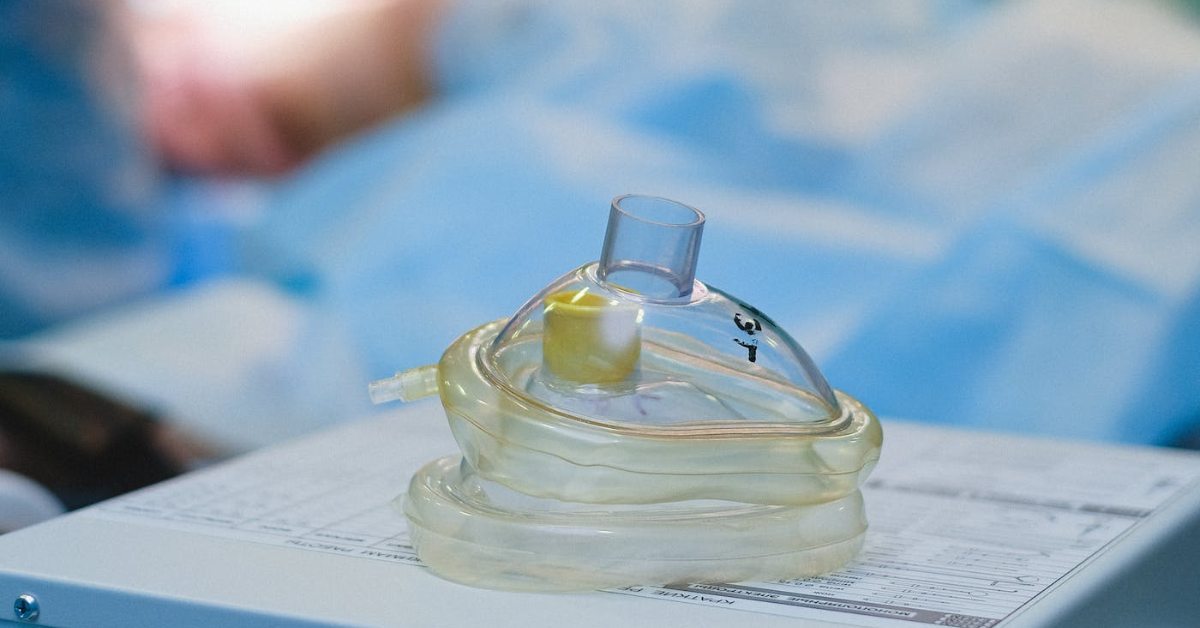
Becoming a CRNA in Texas: the requirements
- BSN from an accredited nursing school.
- Active RN license in Texas (or one of the multistate compact states).
- 1–2 years of acute critical care experience. Most programs want adult ICU. A handful accept ER, PICU, or NICU.
- Doctoral nurse anesthesia program (DNP or DNAP) — typically 36 months, full time.
- Pass the National Certification Examination through the National Board of Certification and Recertification for Nurse Anesthetists (NBCRNA).
Recertification: 60 NBCRNA continuing education credits over each four-year cycle, plus a knowledge module and a high-stakes exam every eight years. Texas RN renewal: every two years with 20 contact hours of continuing education.
CRNA pay in Texas
CRNAs are the highest-paid nurses in the state. Salary varies by city, setting, and call burden:
| Setting / source | Texas CRNA pay (2025) |
|---|---|
| BLS-style averages | ~$200,000–$240,000 |
| Houston / Dallas metros | $210,000–$245,000 |
| Outpatient surgery centers (top tier) | $260,000+ |
| 1099 / locum CRNAs | $280,000–$350,000+ |
| Entry level (first 1–2 years) | $155,000–$180,000 |
Demand in Texas is climbing faster than the national average — projected double-digit growth through 2032 — driven by an aging population, opt-out status (Texas opted out of the federal physician supervision rule in 2010 for rural facilities), and Houston/Dallas hospital expansion.
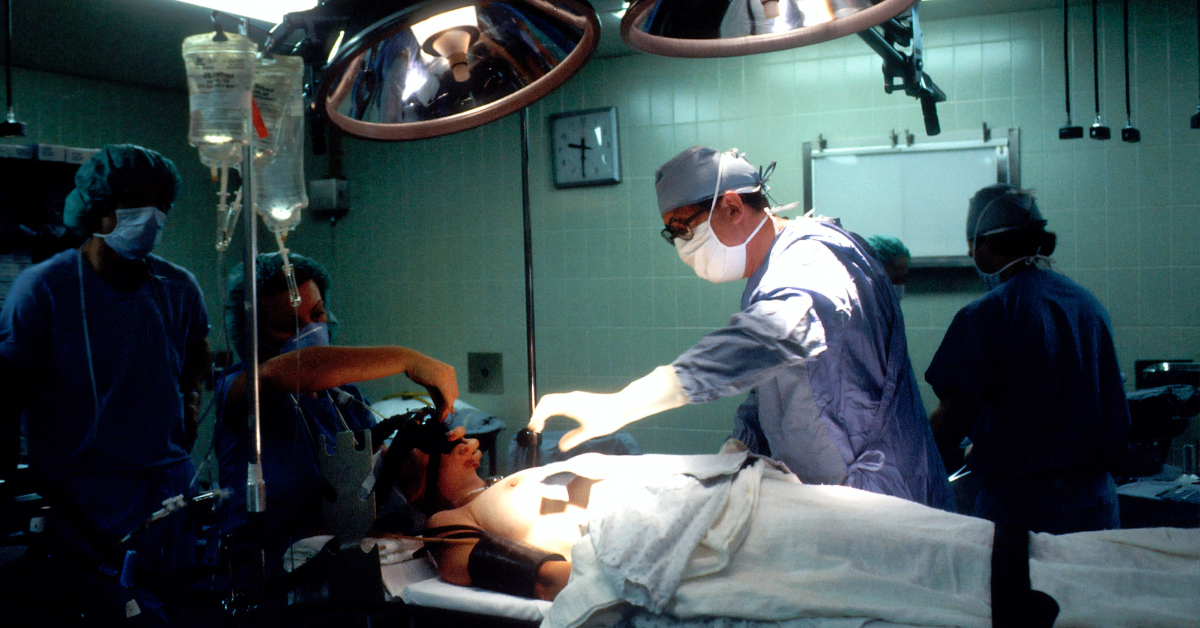
The 6 accredited CRNA schools in Texas
Baylor College of Medicine — Houston
Degree: DNP (BSN-to-DNP and post-MSN)
School type: Private
Length: 36 months full time
Baylor’s program sits inside the Texas Medical Center — the largest medical complex in the world. Highly ranked nationally by U.S. News & World Report. Cohorts are small, clinical sites are first-rate, and graduates fill anesthesia roles across the Houston system.
Texas Christian University (TCU) — Fort Worth
Degree: DNAP
School type: Private
Length: 36 months full time
TCU’s Harris College program ranks in the U.S. News top 10 nationally. ~900 hours of clinical practice across cardiac, pediatric, OB, and regional rotations. First-time NCE pass rate has run at or near 100% since the program’s launch in 2003.
Texas Wesleyan University — Fort Worth
Degree: DNAP (entry-level), DNAP completion
School type: Private
Length: 36 months full time
The largest CRNA program in the United States. The first 12 months happen on the Fort Worth campus; clinicals then run at one of ~19 affiliate facilities across nine states, so geography is flexible after year one. Tuition is roughly $1,320/credit hour for the 92-credit DNAP.
UTHealth Houston — Cizik School of Nursing
Degree: DNP
School type: Public
Length: 36 months full time
The first public-university BSN-to-DNP nurse anesthesia track in Texas. Strong board pass rate (highest in the southern U.S. by Cizik’s own reporting). In-state tuition is dramatically lower than at the private programs.
UT Health San Antonio — School of Nursing
Degree: Post-BSN to DNP — Nurse Anesthesia
School type: Public
Length: 36 months full time
San Antonio’s public option, with clinical rotations across the South Texas Medical Center. Strong fit for residents who want to stay regional after graduation. Public-university in-state tuition.
UTMB Health — Galveston
Degree: DNP
School type: Public
Length: 9 semesters / 36 credits in the DNP component
UTMB’s nurse anesthesia program runs through the School of Health Professions in coordination with the School of Nursing. Galveston-based with rotations across UTMB and partner hospitals.
U.S. Army Graduate Program in Anesthesia Nursing — Fort Sam Houston (San Antonio)
Degree: DNP
School type: Public / Military
Length: 36 months
Active-duty Army Nurse Corps officers complete the DNP through a partnership with Baylor University. No tuition; full Army salary while studying. Service obligation after graduation. Graduates serve at Army and Veterans Administration hospitals across the U.S. and overseas.
Coming Fall 2026
University of the Incarnate Word (UIW) — San Antonio. Pending COA accreditation. First cohort planned for Fall 2026. Verify status on UIW’s nursing site before applying.
Estimated tuition
Approximate program totals (verify on each school’s site — costs change yearly):
| Program | Degree | Approximate total tuition |
|---|---|---|
| U.S. Army Graduate Program | DNP | $0 (service commitment) |
| UTHealth Houston (Cizik) | DNP | ~$60,000–$70,000 in-state |
| UT Health San Antonio | DNP | ~$85,000 in-state / ~$165,000 out-of-state |
| UTMB Galveston | DNP | ~$125,000 in-state / ~$195,000 out-of-state |
| Texas Wesleyan | DNAP | ~$120,000 |
| TCU | DNAP | ~$125,000 |
| Baylor College of Medicine | DNP | ~$140,000 |
FAQs
How long does it take to become a CRNA in Texas?
Roughly 7–8 years from start of college: 4 for a BSN, 1–2 in a critical care RN role, then 36 months in a DNP/DNAP program.
Is a 3.7 GPA good enough for CRNA school in Texas?
Yes — most programs report admitted-student averages of 3.5–3.8. Below 3.5 admission is still possible with strong ICU experience, GRE/CCRN credentials, and a clean interview. Programs review holistically.
Which CRNA setting pays the most in Texas?
Outpatient surgery centers and independent practice (especially 1099 contracts) usually top the pay scale. Hospital staff CRNAs trade some pay for benefits and predictable scheduling.
Do all Texas CRNA programs require ICU experience?
Yes. Most want at least one year of adult ICU within the last three years. Texas Wesleyan, TCU, and Baylor are particularly strict on this.
Are CRNAs in Texas required to work under physician supervision?
For Medicare reimbursement purposes, Texas opted out of the federal physician-supervision rule in 2010 for hospitals and surgery centers that follow state rules. Practical scope still depends on facility policy.
Is the GRE required?
Most Texas programs have made the GRE optional or dropped it entirely in recent cycles. Check each program’s current admissions page before testing.
Can I do a CRNA program in Texas online?
No. Nurse anesthesia is hands-on by definition. Some didactic content is online or hybrid, but clinicals require physical presence at affiliated facilities.
Related: Best medical schools in the US
Leave a Reply
You must be logged in to post a comment.